The Magic of Mushrooms for Dogs
Mushrooms are much more than a culinary trend for humans. For dogs, certain edible mushrooms contain nutrients and compounds that may support immune function, reduce inflammation, and promote overall health — all factors that contribute to a longer, healthier life.
From ancient holistic traditions to modern research, mushrooms have been appreciated for their potent health effects. When used thoughtfully and in dog-safe varieties, they can be a valuable addition to your dog’s diet.
Benefits of Mushrooms for Dogs
Mushrooms provide a range of nutrients like antioxidants, fiber, and bioactive compounds that can support dogs in several ways:
- Immune support: Certain compounds such as beta-glucans may help strengthen the immune system.
- Anti-inflammatory effects: Some mushroom types may help manage inflammation common in aging or chronic conditions.
- Liver health: The nutrients in mushrooms may assist the body’s detox processes.
- Vitality and longevity: Early research points to potential contributions to healthy aging through antioxidant activity.
Research in dogs has shown intriguing results. For example, a compound derived from a specific mushroom was associated with longer survival times in dogs with certain types of cancer. And studies with shiitake mushrooms have shown measurable increases in antioxidant markers in dogs.
Which Mushrooms Are Safe for Dogs
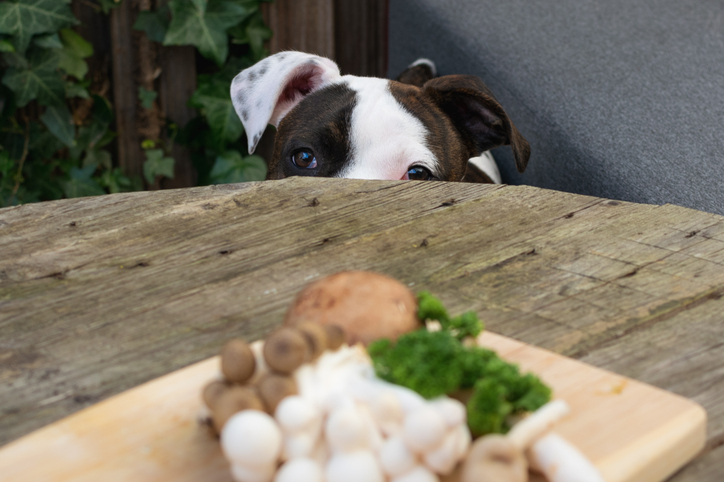
Not all mushrooms should be given to dogs. Wild or unknown species can be toxic or deadly, so it’s important to stick with dog-safe, edible varieties:
- Reishi: Known for immune-boosting and calming properties.
- Shiitake: Offers antioxidants and may support cardiovascular health.
- Maitake: A traditional immune support mushroom.
- Turkey Tail: Contains polysaccharides linked to immune system modulation.
Important: Always avoid wild mushrooms unless they’ve been certified safe by a trained mycologist. Many wild varieties can cause serious illness.
How to Prepare Mushrooms for Your Dog
Dogs digest cooked mushrooms far better than raw, and cooking helps eliminate mild compounds that can irritate the stomach.
Preparation tips:
- Clean thoroughly: Rinse to remove any dirt.
- Cook plainly: Steam, boil, or sauté without oils, butter, salt, or spices.
- Start small: Always introduce new foods slowly and watch for digestive changes.
Serving Guide
Start with very small amounts so your dog can adjust:
- Small Dogs (< 20 lbs): 1–2 teaspoons, 1–2 times per week
- Medium Dogs (20–50 lbs): 1–2 tablespoons, 1–2 times per week
- Large Dogs (50+ lbs): 2–3 tablespoons, 1–2 times per week
Mushrooms can be served alone as a topper or mixed into regular meals.
A Simple Longevity Tip
A small portion of cooked, dog-safe mushrooms added to your dog’s meals once or twice a week can be a gentle way to introduce beneficial nutrients. If you prefer convenience, choose a high-quality mushroom supplement formulated specifically for pets, ensuring it contains no fillers, artificial ingredients, or added sugars.
Veterinary Guidance Is Key
Before making significant changes to your dog’s diet or adding supplements, it’s always wise to consult your veterinarian. They can help tailor recommendations based on your dog’s age, health status, and any existing conditions.
More Resources