Carrots for Dogs: A Simple Food with Surprising Benefits
Carrots are often thought of as a humble snack, but when it comes to canine nutrition, they may offer more than just crunch. Carrots for dogs are low in calories, rich in fiber, and packed with vitamins and phytonutrients that support multiple systems in the body.
As interest grows around whole-food nutrition and longevity, carrots are gaining attention not just as a treat, but as a functional food that may support vision, digestion, immunity, and even detoxification when used thoughtfully.
Why Carrots Are a Smart Choice for Dogs
Carrots for dogs are appealing for several reasons. They are widely available, budget-friendly, and easy to prepare. More importantly, they offer nutrients that many dogs benefit from, especially when added to a kibble-based diet.
Carrots are naturally:
- Low in calories
- High in fiber
- Rich in antioxidants
- Free from added sugars or fats
This makes them especially helpful for dogs who need weight support, gentle digestive aid, or added phytonutrients without excess calories.
Key Benefits of Carrots for Dogs
Vision and Immune Support
Carrots are well known for their beta-carotene content. Beta-carotene is a precursor to vitamin A, which plays an important role in vision, skin health, and immune function.
For dogs, carrots for dogs can support:
- Night vision and eye health
- Healthy skin and coat
- Immune resilience
While dogs convert beta-carotene differently than humans, they still benefit from its antioxidant properties.
Digestive Health and Weight Support
The fiber in carrots helps promote healthy digestion and regular bowel movements. For dogs prone to constipation or inconsistent stools, small amounts of carrot can help add gentle bulk.
Because carrots for dogs are low in calories but high in volume, they can also promote satiety. This makes them a great option for dogs who need help maintaining a healthy weight while still enjoying treats.
Antioxidant and Cellular Protection
Carrots contain phytonutrients that help combat oxidative stress. Oxidative stress is a contributor to aging and chronic disease, particularly in senior dogs or dogs exposed to environmental pollutants.
Adding antioxidant-rich foods like carrots for dogs may support cellular health and help the body manage everyday environmental stressors.
Emerging Research on Apiaceous Vegetables
Carrots belong to a group of vegetables known as apiaceous vegetables, which also includes celery and parsley. Emerging human research suggests that compounds in these vegetables may support the body’s natural detox pathways.
Early findings indicate that apiaceous vegetables may:
- Gently support liver detoxification processes
- Help the body process and eliminate certain environmental toxins
- Support respiratory and airway health over time
While research is still evolving, these findings add another layer of interest to carrots for dogs as part of a holistic approach to health. It’s important to remember that food works best as a supportive strategy, not a replacement for reducing environmental exposure in the first place.
How to Safely Serve Carrots for Dogs
Carrots are generally safe for most dogs, but preparation and portion size matter.
Introduce slowly
Start with small amounts and watch for signs of digestive upset such as loose stools or gas.
Serve bite-size pieces
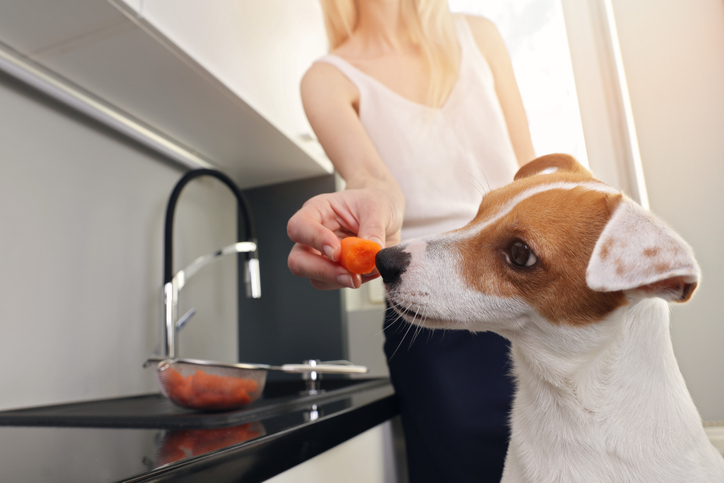
Always cut carrots into appropriately sized pieces to reduce choking risk, especially for small dogs or enthusiastic eaters.
Raw or lightly prepared
Raw carrots offer crunch and dental stimulation, while finely chopped or lightly cooked carrots may be easier to digest for some dogs.
Daily Serving Guidelines
Carrots for dogs should be used as treats or toppers, not meal replacements. General guidelines include:
- Small dogs under 10 lbs: 1 to 2 teaspoons finely diced or shredded per day
- Medium dogs 10 to 25 lbs: 1 to 2 tablespoons finely diced or shredded per day
- Large dogs over 25 lbs: 2 to 4 tablespoons finely diced or shredded per day
Adjust portions based on your dog’s tolerance, activity level, and overall diet.
Can Dogs Eat Carrots Every Day?
Yes. If your dog enjoys carrots and shows no signs of digestive upset, carrots for dogs can be offered daily in moderate amounts. The key is balance. Carrots should complement your dog’s main diet, not crowd out essential proteins and fats.
A Longevity-Focused Perspective
Carrots may seem simple, but simple foods often have the most staying power. With fiber, antioxidants, and detox-supporting phytonutrients, carrots for dogs can play a valuable role in a longevity-focused nutrition plan.
When introduced gradually and served in appropriate portions, carrots offer a crunchy, satisfying way to support digestion, immune balance, and overall vitality. Sometimes the most powerful additions to your dog’s bowl are also the easiest ones.