Ozone Therapy for Dogs: Curiosity, Caution, and What We Know So Far
In the world of longevity and integrative health, new tools tend to surface quietly before they become widely discussed. Medical ozone is one of them.
Ozone therapy has been explored for years in human healthcare, dentistry, and wound management. More recently, some veterinarians have begun examining whether ozone therapy for dogs may have a role in supporting healing, skin health, and overall resilience.
This is not a magic treatment, nor is it a replacement for conventional veterinary care. It is an emerging modality that deserves thoughtful discussion, clear safety boundaries, and honest acknowledgment of what we know and what we do not yet know.
What Is Ozone Therapy?
Ozone is a molecule made up of three oxygen atoms (O₃). Because it is highly reactive, it has strong antimicrobial properties and the ability to influence tissue healing when used correctly.
Medical ozone is very different from environmental ozone. It is generated under controlled conditions and applied in precise doses for therapeutic purposes. In veterinary contexts, ozone is most commonly used in topical forms, such as ozonated oils, and in specialized clinical settings through advanced techniques performed only by trained professionals.
When people refer to ozone therapy for dogs, they may be talking about very different applications, which is why clarity matters.
How Ozone Is Being Used in Veterinary Care
At present, ozone use in dogs tends to fall into two broad categories: at-home topical support and in-clinic medical applications.
Topical Ozone Applications
The most accessible and commonly discussed form involves ozonated oils. These are carrier oils, often olive or sunflower oil, that have been infused with ozone.
Veterinary and integrative case use suggests ozonated oils may support:
- Wound healing for minor cuts, scrapes, and oral lesions
- Antimicrobial support, as ozone disrupts bacteria, fungi, and some viruses
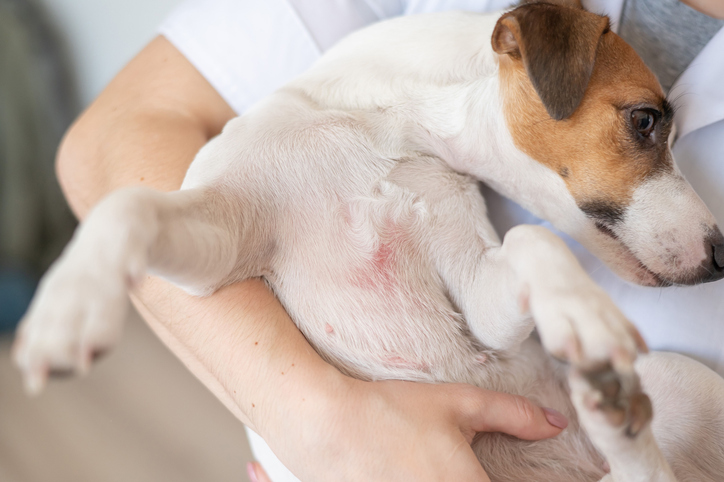
- Skin soothing, particularly for dry, irritated skin or insect bites
These topical applications are often viewed as a gentler alternative to harsher chemical treatments for certain surface-level issues.
Clinical Uses of Ozone Therapy for Dogs
In more advanced veterinary settings, ozone may be administered through specialized methods such as:
- Insufflation, where ozone is introduced into a body cavity under strict protocols
- Autohemotherapy, which involves mixing a small amount of the dog’s blood with ozone and reinfusing it
These approaches are complex and must only be performed by veterinarians trained specifically in ozone therapy. They are not suitable for home use and are not appropriate for every dog or condition.
When discussing ozone therapy for dogs, it is critical to distinguish between topical support and these advanced clinical interventions.
Safety Considerations Matter
Ozone is powerful, and power requires restraint.
For topical use at home:
Ozonated oils are intended for external application and are generally considered safe when used as directed. Most manufacturers indicate that small incidental ingestion from licking is not harmful, but this should never be assumed without veterinary guidance.
For clinical applications:
Only trained veterinarians should perform internal ozone therapies. Improper dosing or delivery can be harmful, which is why professional oversight is non-negotiable.
Veterinary guidance is essential:
Ozone therapy for dogs should always complement, not replace, standard veterinary diagnostics and treatments. It may be considered supportive care, not primary care.
Why Is There Growing Interest in Ozone?
The interest in ozone therapy reflects a broader shift in both human and veterinary medicine toward therapies that aim to:
- Reduce microbial burden without heavy antibiotic reliance
- Support tissue repair and recovery
- Modulate inflammation rather than simply suppress symptoms
For dogs, this may translate to faster recovery from minor wounds, improved skin comfort, or added support alongside conventional treatments.
From a longevity perspective, the appeal lies in resilience rather than cure. Anything that safely supports healing and reduces chronic inflammatory load is worth exploring carefully.
What Ozone Therapy for Dogs Is Not
It is important to be clear.
Ozone therapy for dogs is not:
- A cure-all
- A substitute for veterinary diagnosis
- A reason to delay necessary medical treatment
- Appropriate for unsupervised internal use
Its role, if any, is as part of a thoughtful, veterinarian-guided care plan.
Where Curiosity Fits Into Longevity Care
Longevity is not built on chasing every new trend. It is built on layering small, evidence-informed supports over time while staying grounded in safety and science.
Ozone therapy for dogs sits squarely in the category of “emerging.” That does not make it invalid, but it does mean it should be approached with curiosity rather than certainty.
As research evolves and veterinary experience grows, its place may become clearer. Until then, informed discussion and professional guidance are key.
Longevity Tip
If you are curious about ozone therapy for dogs, start with a conversation, not a product. Talk with a veterinarian who has training in integrative or ozone-based therapies and ask whether it is appropriate for your dog’s specific needs. Used thoughtfully and conservatively, emerging tools like ozone may one day play a supportive role in resilience, recovery, and long-term wellbeing.
More Resources