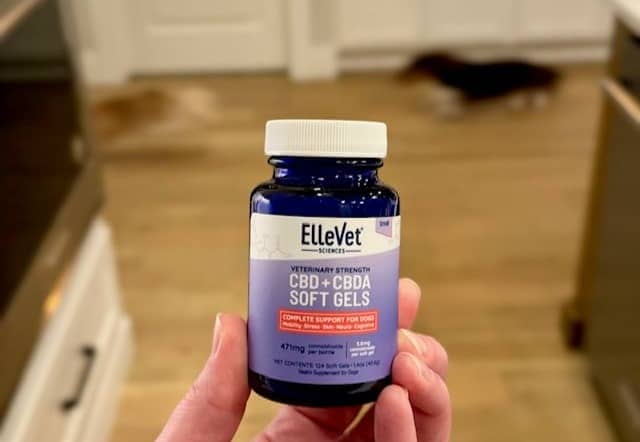
CBD for Joint Support in Dogs: What the Science and Real Life Experience Show
Is there real science behind CBD for joint support in dogs? Learn what research shows about mobility, comfort, and safety, plus a real-world experience from a dog parent.
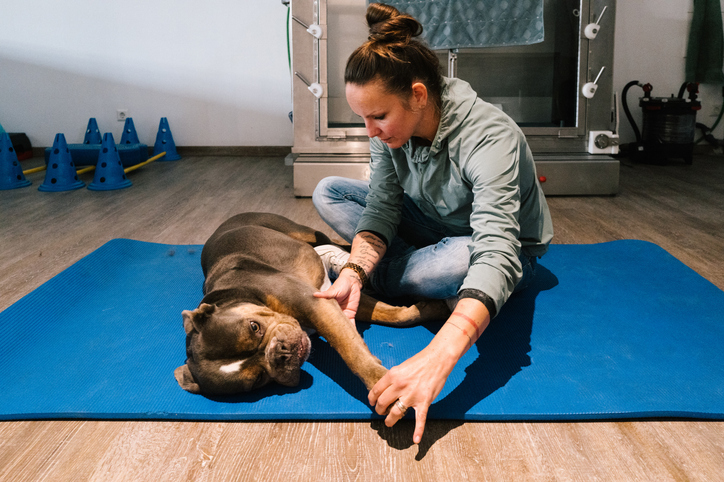
Think about how good a massage feels after a long day. Now imagine how your dog feels after zoomies, wrestling with their favorite toy, or simply moving through the aches that come with age.
Canine massage is a hands-on therapy that helps relieve muscle tension, improve circulation, and promote relaxation. Whether done by a trained professional or practiced gently at home, canine massage can be a simple, meaningful way to support your dog’s comfort and quality of life.
Canine massage involves using intentional, gentle touch to work with your dog’s muscles and soft tissues. The goal is not force or deep pressure, but relaxation, circulation, and awareness of the body.
Canine massage can help:
Many dogs naturally respond to massage with signs of relaxation, such as leaning into touch, sighing, or settling into a comfortable position.
Massage isn’t just a feel-good practice. Research and clinical experience suggest that canine massage can meaningfully improve comfort and wellbeing, especially for dogs experiencing pain, stress, or age-related stiffness.
Some of the most common benefits of canine massage include:
Pain relief
Massage can help ease discomfort related to arthritis, injuries, or general wear and tear over time.
Stress reduction
Gentle touch can help calm anxious or nervous dogs and support emotional regulation.
Improved mobility
By keeping muscles loose and joints supported, massage can help dogs move more comfortably, particularly as they age.
Better circulation
Improved blood flow supports healing and overall physical health.
If you’re interested in professional canine massage, it’s important to work with someone properly trained. In many areas, massage therapists work in coordination with veterinarians, especially when dogs have existing health conditions.
When choosing a canine massage therapist, consider the following:
A qualified professional will always prioritize safety, consent, and your dog’s comfort.
You don’t need to be an expert to offer gentle massage at home. Many dogs enjoy short, simple sessions with someone they trust.
Here’s how to get started:
Start slow
Use light, gentle strokes along your dog’s back and observe how they respond.
Focus on common tension areas
The shoulders, hips, and neck often hold the most tension.
Follow your dog’s cues
If your dog leans into your hands or relaxes, that’s a good sign. If they move away, respect their space and try again later.
Massage sessions can be just a few minutes long. What matters most is consistency and listening to your dog’s preferences.
Canine massage is not a one-time fix. Its real power comes from regular, mindful practice.
Over time, consistent massage can help keep muscles relaxed, joints supported, and stress levels lower. As part of a holistic care routine, canine massage can support not just comfort today, but mobility and wellbeing in the years ahead.
Sometimes, the simplest tools are the most powerful. A few quiet minutes of connection and touch can go a long way in helping your dog feel their best.
Is there real science behind CBD for joint support in dogs? Learn what research shows about mobility, comfort, and safety, plus a real-world experience from a dog parent.
Stay Ahead of the Curve Join the free Conscious Canine newsletter for tips on how to give your dog the longest, happiest life possible. It’s free, unsubscribe anytime.