Dog Acupuncture: Types, Benefits, Research, and What to Consider
Dog acupuncture has become an increasingly popular part of integrative veterinary care. Rooted in Traditional Chinese Medicine and adapted for modern practice, dog acupuncture is often used to support comfort, mobility, and overall wellbeing, especially for dogs navigating chronic conditions or age-related changes.
Rather than replacing conventional veterinary care, dog acupuncture is typically used alongside other treatments as part of a broader, longevity-focused approach.
What Is Dog Acupuncture?
Dog acupuncture involves stimulating specific points on the body to influence the nervous system, circulation, and the body’s natural healing responses. These points are selected based on each dog’s unique needs and health history.
While many people picture acupuncture as needle-based, there are multiple techniques used in dog acupuncture, allowing practitioners to tailor treatment to a dog’s comfort level and condition.
Types of Dog Acupuncture
Dog acupuncture can be performed in several different ways. A trained practitioner will choose the method that best suits your dog.
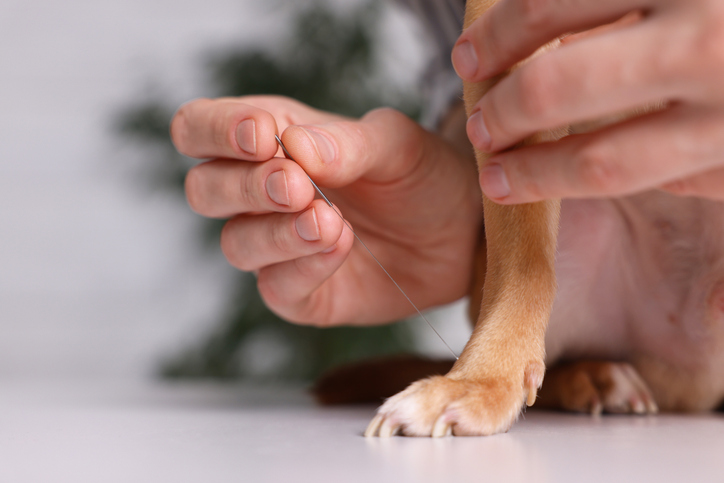
Traditional needle acupuncture
Very thin needles are placed at specific points to stimulate nerve pathways and support balance within the body.
Electroacupuncture
A gentle electrical current is applied to the needles to enhance stimulation. This is sometimes used for chronic pain, neurological conditions, or mobility issues.
Laser acupuncture
Low-level laser light stimulates acupuncture points without needles. This option is often used for dogs who are anxious, sensitive, or needle-averse.
Aquapuncture
A small amount of fluid, often a vitamin or saline solution, is injected into acupuncture points to provide longer-lasting stimulation.
Each of these forms of dog acupuncture aims to support the same underlying systems, but in different ways.
Potential Benefits of Dog Acupuncture
Dog acupuncture is commonly explored for a variety of health concerns. While every dog responds differently, it is often used to support:
- Chronic pain and inflammation
- Arthritis and joint stiffness
- Mobility and flexibility
- Neurological conditions
- Digestive discomfort
- Stress and nervous system regulation
By supporting circulation and nerve communication, dog acupuncture may help improve comfort and quality of life over time.
What Research Shows About Dog Acupuncture
Research into dog acupuncture has grown over the years, particularly in areas related to pain management and neurological support.
Studies involving dogs with arthritis and musculoskeletal conditions have shown improvements in pain levels and mobility when acupuncture was included as part of their care plan. Other research has observed benefits for dogs with certain neurological disorders, including improved function and reduced discomfort.
There is also evidence suggesting acupuncture can stimulate the release of endorphins and other natural chemicals involved in pain regulation and inflammation control. While research is still evolving, existing studies support what many veterinarians observe clinically: dog acupuncture can be a helpful supportive therapy for some dogs.
What to Expect During a Dog Acupuncture Session
A dog acupuncture session typically begins with a review of your dog’s health history and current concerns. Based on this, the practitioner selects acupuncture points and treatment methods.
Sessions usually last between 20 and 40 minutes. Some dogs show noticeable changes after one or two sessions, while others benefit from a series of treatments over time.
It’s common for dog acupuncture to be recommended as part of an ongoing plan rather than a one-time treatment.
Things to Consider Before Trying Dog Acupuncture
Before starting dog acupuncture, keep the following in mind:
- Work with a qualified professional
Dog acupuncture should only be performed by a licensed veterinarian or certified veterinary acupuncturist.
- It works best as complementary care
Acupuncture supports the body, but it should not replace diagnostics or necessary medical treatment.
- Responses vary
Some dogs respond quickly, while others experience gradual or subtle improvements.
- Consistency matters
Ongoing sessions are often recommended for chronic or age-related conditions.
- Every dog is different
Treatment plans should always be individualized based on your dog’s health, temperament, and comfort.
A conversation with your veterinarian can help determine whether dog acupuncture is a good fit for your dog.
A Thoughtful Tool for Longevity-Focused Care
Dog acupuncture offers a gentle, low-impact way to support comfort, mobility, and nervous system health. For many dogs, especially seniors or those managing chronic conditions, it becomes a meaningful part of long-term care.
When used thoughtfully and guided by a trained professional, dog acupuncture can support not just how long dogs live, but how well they feel along the way.
More Resources