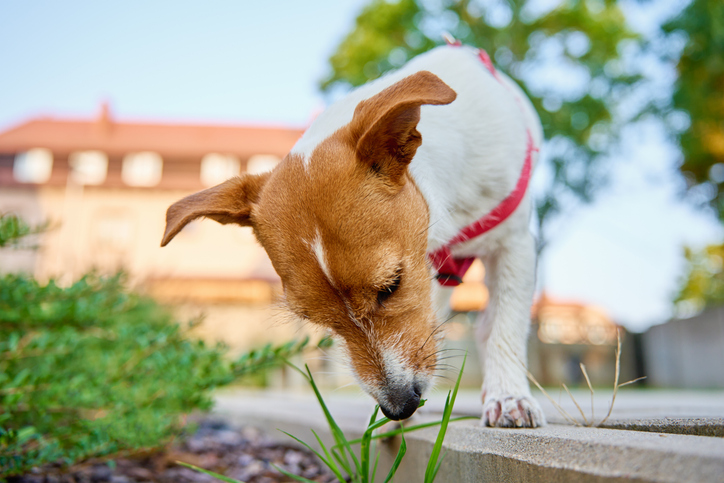
Is Your Dog Getting Enough Sniff Time? Why Sniff Work for Dogs Matters More Than You Think
Sniff work for dogs provides powerful mental enrichment, reduces stress, and supports cognitive health. Learn simple ways to add more sniff time.

Dog anxiety and longevity are not topics that are often discussed together, yet research and lived experience suggest they should be. Emotional health plays a powerful role in how a dog’s body functions over time. When fear or anxiety becomes a long-term state rather than a temporary response, it can quietly influence nearly every system in the body.
Just like humans, dogs are wired to handle short bursts of stress. A sudden noise, a new environment, or a brief disruption in routine can activate a healthy stress response that resolves once the situation passes. Problems arise when a dog’s nervous system never fully returns to baseline. Chronic anxiety keeps the body in a constant state of alert, reducing its ability to repair, digest, and regenerate.
Understanding the link between dog anxiety and longevity helps reframe anxious behaviors not as inconveniences to manage, but as meaningful signals that deserve care and attention.
The relationship between emotional stress and health outcomes has been studied across species, including dogs. A frequently cited study published in Applied Animal Behaviour Science surveyed over 700 owners of deceased pet dogs and examined behavioral traits alongside health history and lifespan. The findings were striking. Dogs who showed higher levels of fear, especially fear of unfamiliar people, tended to experience more health problems and shorter lifespans.
While this research does not claim that anxiety directly causes early death, it strongly suggests an association between chronic fear and reduced wellbeing over time. Dog anxiety and longevity appear linked through long-term physiological stress, much like what is observed in people experiencing chronic anxiety.
Stress hormones such as cortisol are useful in the short term, but when they remain elevated, they interfere with immune balance, sleep quality, digestion, and healthy aging. Over months and years, these disruptions can quietly erode resilience.
When anxiety becomes persistent, it affects far more than behavior. A chronically stressed nervous system alters how the body allocates energy. Resources are diverted away from maintenance and repair toward constant readiness.
This shift can weaken immune defenses, making dogs more susceptible to illness. It may disrupt gut health, leading to digestive upset or inconsistent appetite. Sleep can become lighter and less restorative, which matters deeply for brain health and cellular repair. Inflammation may increase, contributing to age-related conditions.
These mechanisms help explain why dog anxiety and longevity are intertwined. Anxiety does not exist in isolation. It changes the internal environment in which aging occurs.
Anxiety rarely appears without context. Early-life experiences play a major role. Dogs who lacked adequate socialization during critical developmental windows may grow into adults who perceive the world as unpredictable or unsafe.
Repeated exposure to frightening stimuli, such as fireworks or thunderstorms, can sensitize the nervous system over time. Prolonged isolation, limited enrichment, or inconsistent routines can also contribute. Dogs rely heavily on predictability to feel secure.
Medical factors matter as well. Chronic pain, hormonal imbalance, or neurological changes can all manifest as anxiety. Genetics influence sensitivity too. Certain working and herding breeds appear more prone to anxiety-related behaviors, likely due to heightened awareness and responsiveness.
Recognizing these contributors helps shift the conversation away from blame and toward support, which is essential when considering dog anxiety and longevity.
Some signs of anxiety are obvious, like trembling, pacing, panting, or hiding. Others are far more subtle. Excessive licking, destructive chewing, digestive upset, changes in sleep, or loss of appetite can all reflect nervous system distress.
Clinginess is common, as is vocalization when left alone. On the other end of the spectrum, some dogs shut down. They may appear unusually quiet, withdrawn, or emotionally flat. These behaviors are often misunderstood as calmness or good manners, when in reality they may signal overwhelm.
These are not bad behaviors. They are communication. Listening early can meaningfully influence dog anxiety and longevity by preventing long-term stress patterns from becoming deeply ingrained.
Reducing chronic stress is one of the most powerful yet overlooked ways to support long-term health. Small, consistent changes can gently guide the nervous system back toward balance.
Create Predictability
Dogs thrive on routine. Regular mealtimes, walks, play, and rest help stabilize cortisol levels. Predictability communicates safety and reduces background stress.
Offer Gentle Enrichment
Mental engagement builds confidence when it is supportive rather than overwhelming. Sniff walks allow dogs to explore the world at their own pace and naturally regulate stress. Puzzle feeders and low-pressure training games stimulate the brain while reinforcing a sense of agency.
Use Evidence-Based Calming Supports
Some calming tools have meaningful research behind them. L-Theanine has been shown to promote relaxation without sedation. Pheromone diffusers that mimic maternal scent may help some dogs feel more secure. Gentle touch, massage, and modalities like acupuncture can activate the parasympathetic rest-and-digest response.
Feed With the Nervous System in Mind
Nutrition influences mood more than many realize. Omega-3 fatty acids from sources like sardines or salmon help modulate inflammation and support brain health. Reducing artificial dyes and highly processed treats may also help minimize restlessness and gut imbalance.
These practices support dog anxiety and longevity by creating internal conditions that favor repair rather than survival mode.
Some dogs need more support than lifestyle changes alone can provide. Veterinary behaviorists specialize in diagnosing anxiety disorders, ruling out medical contributors, and prescribing treatment when appropriate. Certified applied animal behaviorists and positive reinforcement trainers can design personalized plans that help dogs build confidence and coping skills.
Early, collaborative intervention matters. The longer anxiety persists, the more firmly it can wire itself into the nervous system. Addressing fear with compassion and expertise protects emotional wellbeing and long-term physical health.
Dog anxiety and longevity are linked through the body’s ability to rest, heal, and regenerate. Lowering chronic stress hormones allows digestion to normalize, immune balance to improve, and cellular repair to occur more efficiently.
Whether your dog struggles with anxiety or simply lives in a busy, stimulating world, supporting their nervous system is an investment in their future. Choose one small habit this week. Add a daily sniff walk. Create a more predictable routine. Introduce omega-3s into their diet.
A longer, healthier life is built quietly, through moments of safety and calm. Every time your dog feels secure, their body is given the chance to age with greater resilience and ease.
Sniff work for dogs provides powerful mental enrichment, reduces stress, and supports cognitive health. Learn simple ways to add more sniff time.
Stay Ahead of the Curve Join the free Conscious Canine newsletter for tips on how to give your dog the longest, happiest life possible. It’s free, unsubscribe anytime.