Early Signs of Aging in Dogs Often Appear Before We Expect Them
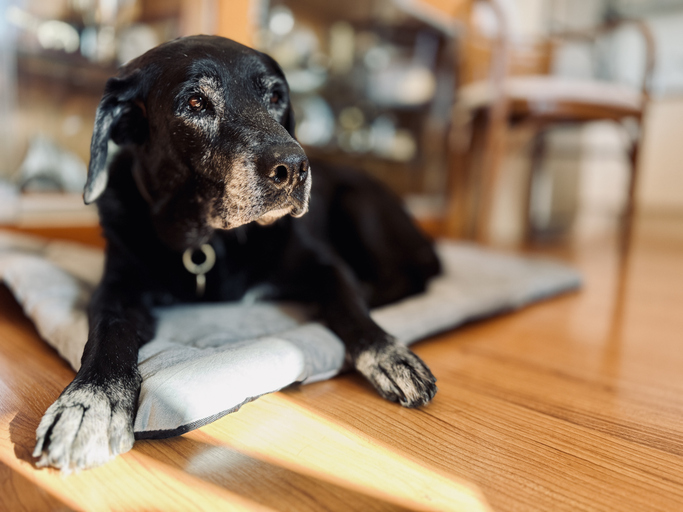
Dogs rarely announce when something feels off. They adapt. They compensate. They keep going long after discomfort begins. That’s why the early signs of aging in dogs are so easy to miss.
Aging isn’t just about gray fur or slowing down. It involves subtle shifts in joints, muscles, senses, sleep patterns, and even brain chemistry. These changes often happen gradually, long before we label a dog as “senior.”
The good news is that spotting these early changes gives you a powerful advantage. When you act early, small adjustments can dramatically improve comfort, mobility, and quality of life.
Slower Recovery After Exercise
One of the earliest signs of aging in dogs is how they recover from activity.
Your dog may still enjoy walks or play, but instead of bouncing back quickly, they linger on the couch afterward. Morning stiffness, extra naps, or reluctance to get moving can signal early joint changes or reduced muscle resilience.
Support strategies may include:
- Low-impact movement like swimming or shorter, more frequent walks
- Joint-support supplements such as green-lipped mussel, glucosamine with chondroitin, or turmeric under veterinary guidance
- Gentle stretching or range-of-motion exercises
These small interventions can help preserve strength and flexibility as dogs age.
Hesitation with Stairs or Jumping
Another common early sign of aging in dogs is hesitation. A pause at the stairs. A look before jumping into the car. A request for help where none was needed before.
These moments may indicate arthritis, muscle weakness, or hip and knee discomfort. Dogs often adjust silently, shifting weight to avoid pain, which can accelerate joint strain over time.
Helpful supports include:
- Non-slip rugs or runners on slick floors
- Gentle hill walking or underwater treadmill therapy
- Vet-approved pain relief strategies, from omega-3-rich diets to prescription options
The goal is to reduce strain while maintaining confidence and independence.
Cloudy Eyes or Sensory Changes
Vision and hearing changes are often overlooked early signs of aging in dogs. You may notice bumping into furniture, delayed responses to sounds, or startling when approached.
Support may include:
- Eye-supportive nutrients like lutein and zeaxanthin from eggs and leafy greens
- Astaxanthin from krill oil and omega-3s from wild sardines or fish oil
- Scent-based enrichment games to keep other senses engaged
- Gentle touch cues or floor vibrations for dogs with hearing loss
Adapting your dog’s environment helps maintain confidence and reduce anxiety as senses change.
Behavior Shifts That Feel “Out of Character”
Behavioral changes are among the most important early signs of aging in dogs.
A dog who once lounged independently may now shadow you constantly. A calm companion may pace, seem restless, or appear confused in familiar spaces. These changes can reflect discomfort, anxiety, or early cognitive decline.
Support strategies may include:
- Brain-supportive nutrients such as SAMe, antioxidants, and MCTs for mental clarity
- Mental stimulation through puzzle toys, scent work, or short training sessions
- Calming aids like L-theanine, tryptophan, or CBD oil when appropriate
Behavior changes are communication. Paying attention early can slow progression and improve daily comfort.
Changes in Sleep Patterns
Sleep disruption is another subtle marker of aging. Increased daytime sleep paired with nighttime restlessness can stem from joint discomfort, anxiety, or cognitive changes.
Helpful supports include:
- Orthopedic or memory foam beds placed in quiet areas
- Consistent daily routines to support circadian rhythm
- Melatonin for sleep regulation, with veterinary guidance
- PEMF therapy mats to ease discomfort and promote relaxation
Quality sleep is essential for healing, mood regulation, and overall resilience in aging dogs.
Why Acting Early Makes Such a Difference
The most impactful support happens before problems become severe. Early signs of aging in dogs are not emergencies, but they are invitations to adjust.
A proactive veterinary visit is a smart next step. Your veterinarian may recommend:
- A comprehensive wellness exam
- Extended blood panels to track organ function and inflammation
- Baseline cognitive or mobility assessments
Early data helps guide targeted support rather than reactive treatment.
A Longevity-Focused Perspective
Aging is not something to fear. It’s something to prepare for.
The early signs of aging in dogs are opportunities to soften the transition, reduce discomfort, and preserve joy. When you notice changes in movement, behavior, senses, or sleep, responding promptly can slow progression and extend your dog’s healthiest years.
Longevity is built through awareness, compassion, and timely support. The sooner you notice the whispers, the longer your dog can thrive.
Longevity Tip
The most powerful gift you can give an aging dog is early attention. Small changes today can mean fewer limitations tomorrow, more comfort, and more meaningful moments together.