Eggs for Dogs: Why This Simple Staple Deserves a Place in the Bowl
What if one of the most effective ways to upgrade your dog’s meals was already sitting in your fridge?
Eggs are often overlooked because they seem ordinary, but when it comes to nutrition, they punch far above their weight. Used thoughtfully, eggs for dogs can add high-quality protein, essential nutrients, and welcome variety to a routine diet. They are affordable, widely available, and easy to prepare, which makes them one of the most practical whole-food toppers for long-term health.
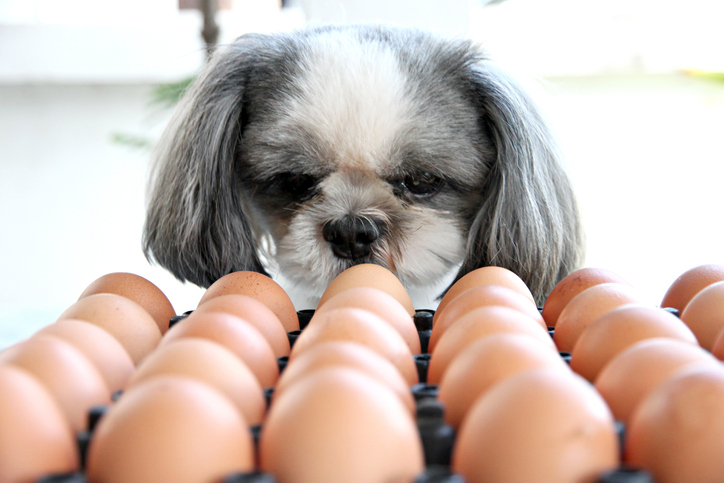
Beyond the nutrition, eggs bring something else to the bowl: novelty. Even dogs who are otherwise indifferent to mealtime often perk up when an egg is added. That small spark of excitement matters, especially for aging dogs or picky eaters.
Why Eggs for Dogs Are Nutritionally Valuable
Eggs are one of nature’s most complete foods. When added in moderation, they can meaningfully support a dog’s overall nutritional profile.
High-quality protein
A large chicken egg provides roughly 6 to 6.5 grams of complete protein. This protein supports lean muscle maintenance, tissue repair, and overall metabolic health. For senior dogs or dogs recovering from illness or injury, protein quality matters just as much as quantity.
Complete amino acid profile
Eggs contain all essential amino acids, including leucine, which plays a role in muscle maintenance, and methionine and cysteine, which support skin, coat, and connective tissue health. This makes eggs for dogs particularly useful when balancing diets that may be heavier in carbohydrates or lower-quality proteins.
Choline and B vitamins
Eggs are one of the most accessible dietary sources of choline, a nutrient critical for brain and nervous system function. Choline supports the production of acetylcholine, a neurotransmitter involved in memory, learning, and muscle control. Eggs also provide B vitamins that help with energy metabolism, liver function, and cellular health.
Yolk carotenoids
The yolk contains carotenoids like lutein and zeaxanthin, which act as antioxidants. These compounds are linked to eye health and may offer protective benefits as dogs age. This makes eggs for dogs a smart addition to longevity-focused feeding strategies.
How to Cook Eggs for Dogs (Gently Matters)
How eggs are prepared makes a real difference in how well nutrients are preserved and absorbed.
Soft-boiled or poached
These are two of the best options. Gentle, moist heat helps keep yolk nutrients intact and improves bioavailability. A soft-boiled egg cooked for about 6 to 7 minutes or a lightly poached egg with set whites and a soft yolk works well.
Low-heat soft scramble
If scrambling, keep the heat low and cook just until barely set. Overcooking can reduce the availability of certain B vitamins, including B12.
What to avoid
Skip frying, browning, and high heat. These methods increase oxidation and can degrade delicate nutrients. Do not add salt, oil, butter, or seasonings. Eggs for dogs should be plain and simple.
Feeding Guidelines for Eggs for Dogs
Eggs are safe and beneficial when fed in moderation. They are best used as a topper or occasional addition rather than a staple replacement for balanced meals.
A large egg contains approximately 70 to 75 calories, so portion size matters, especially for smaller dogs.
Suggested serving size per occasion (2–3 times per week):
- Toy dogs (10 lb or less): 1–2 teaspoons up to ¼ egg
- Small dogs (10–25 lb): ½ egg
- Medium dogs (25–50 lb): 1 egg
- Large dogs (50–90 lb+): 1–2 eggs
Always introduce eggs for dogs gradually and monitor stool quality, energy levels, and skin or coat changes.
Raw vs Cooked Eggs for Dogs
While some pet parents feed raw eggs, gently cooked eggs are generally the safer option. Cooking reduces the risk of bacterial contamination and improves protein digestibility. It also neutralizes avidin, a compound in raw egg whites that can interfere with biotin absorption when fed frequently.
For most households, gently cooked eggs for dogs offer the best balance of safety and nutrition.
Choosing the Best Eggs
If available, organic, pasture-raised eggs are typically the most nutrient-dense option. These eggs tend to have higher levels of omega-3s and carotenoids due to the hens’ varied diets. While any plain egg can be beneficial, quality sourcing adds another layer of nutritional value.
How Eggs Fit Into a Longevity-Focused Diet
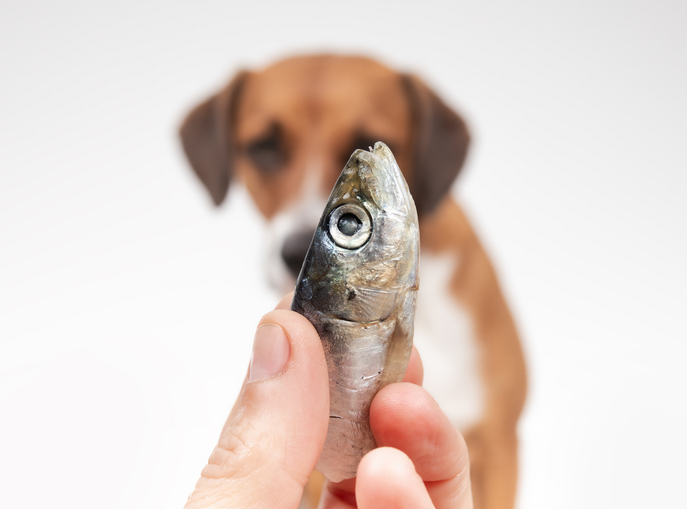
Longevity is not built on one “superfood.” It is built on consistency, variety, and thoughtful upgrades. Eggs for dogs work best when rotated with other whole-food toppers like sardines, lightly steamed vegetables, fermented foods, or bone broth.
This rotation helps:
- Reduce nutrient gaps
- Prevent food boredom
- Support gut and metabolic health
- Keep meals engaging over time
Longevity Tip
Rotating simple, nutrient-dense toppers like gently cooked eggs into your dog’s meals can meaningfully improve diet quality without overcomplicating feeding. Eggs for dogs offer high-quality protein, brain-supporting nutrients, and antioxidants that support vitality at every life stage. Small, consistent upgrades like this add up over time.