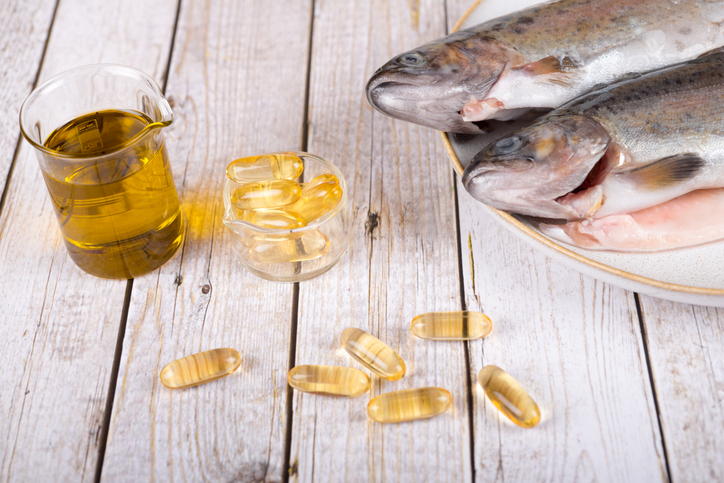
Omega-3s for Dogs: Why the Source Matters More Than You Think
Omega-3 fatty acids are often mentioned as a must-have for canine health, but not all Omega-3s work the same way in your dog’s body. While fish oil and flaxseed are frequently grouped together, they play very different roles when it comes to absorption, effectiveness, and long-term impact.
Understanding how omega-3s for dogs work and which sources truly deliver benefits can help you make choices that support longevity rather than just checking a box on a supplement list.
Why Dogs Need Omega-3s
Omega-3 fatty acids support nearly every major system in your dog’s body. Their benefits extend far beyond skin and coat.
Omega-3s for dogs are associated with:
- Brain health, supporting cognition, memory, and aging brains
- Heart health, promoting healthy circulation and cardiovascular function
- Joint support, helping reduce inflammation and stiffness
- Immune balance, supporting the body’s ability to respond appropriately to stress
- Skin and coat health, soothing irritation and promoting a glossy coat
Because chronic inflammation plays a major role in aging and disease, consistent Omega-3 intake is considered one of the most impactful nutritional strategies for long-term health.
The Three Main Types of Omega-3 Fatty Acids
Not all Omega-3s are created equal. Understanding the differences is key when choosing the right sources.
Alpha-Linolenic Acid (ALA)
ALA is a plant-based Omega-3 fatty acid. While it’s beneficial in some ways, dogs have a limited ability to convert ALA into the more active forms EPA and DHA.
Research shows that supplementing ALA does not significantly raise EPA or DHA levels in dogs. This means ALA alone is not sufficient as a primary Omega-3 source.
Common sources include flaxseed and chia seeds.
Eicosapentaenoic Acid (EPA
EPA is one of the most important Omega-3s for dogs. It plays a central role in reducing inflammation and supporting joint, heart, and immune health.
EPA is found primarily in marine-based sources such as fish oil, krill oil, and certain algae.
Docosahexaenoic Acid (DHA)
DHA is critical for brain development, cognitive function, and eye health. It is especially important for puppies, senior dogs, and dogs experiencing cognitive decline.
Like EPA, DHA comes from marine sources such as fish and algae.
Why Marine-Based Omega-3s Are Essential
When it comes to omega-3s for dogs, EPA and DHA are the forms that deliver the most meaningful benefits. These fats are bioavailable, meaning your dog’s body can use them directly without conversion.
Whole-food and marine-based sources of EPA and DHA include:
- Sardines packed in water with no added salt
- Anchovies and krill oil supplements
- High-quality fish oil supplements
These options provide Omega-3s in a form your dog can actually utilize to support brain, joint, heart, and skin health.
How to Choose a High-Quality Fish Oil
Not all fish oils are created equal. Poor-quality oils can oxidize easily, becoming rancid and potentially harmful rather than helpful.
When selecting fish oil for omega-3s for dogs, look for products that are:
- Third-party tested for purity and heavy metals
- In triglyceride form for better absorption
- Stored and packaged to protect against oxidation
Freshness and quality matter just as much as dosage.
Two Products We Recommend
Nordic Naturals Omega-3 Pet
This option is made from wild-caught fish, third-party tested for purity, and delivered in triglyceride form to support absorption and safety.
Native Pet Sockeye Salmon Oil
Made from wild-caught Alaskan sockeye salmon, this oil is naturally rich in EPA and DHA and minimally processed to preserve nutrient integrity.
These recommendations prioritize quality, sourcing, and transparency.
Nutritious Foods That Still Play a Role
Some foods don’t deliver large amounts of EPA or DHA, but they still contribute meaningfully to overall nutrition.
Eggs, especially pasture-raised, provide modest DHA along with high-quality protein and essential micronutrients.
Organ meats such as liver, kidney, and brain supply fat-soluble vitamins, minerals, and small amounts of DHA. Their value lies in nutrient density rather than Omega-3 content alone.
Flaxseed and flaxseed oil provide ALA, fiber, and plant compounds that support digestion and skin health. While they should not be relied on as a primary Omega-3 source, they still have a place in a varied, whole-food diet.
A Longevity-Focused Perspective
When it comes to omega-3s for dogs, the source matters. EPA and DHA from marine-based foods and supplements provide direct, measurable benefits that support brain health, mobility, immune balance, and aging.
By prioritizing high-quality Omega-3 sources and using plant-based options as complementary nutrition rather than replacements, you support lower inflammation and greater resilience over time.
Sometimes longevity isn’t about adding more supplements, but about choosing the right ones thoughtfully and consistently.