Garlic for Dogs: Why the “Toxic” Label Deserves a Second Look
Few foods spark as much debate in the pet world as garlic. For years, dog parents have been told that garlic is outright toxic, often grouped alongside foods like chocolate or grapes. This belief has become so widespread that many people avoid garlic entirely, without ever questioning where the warning originated.
But when we look closely at the research, the story around garlic for dogs is far more nuanced than the internet headlines suggest.
The fear surrounding garlic largely stems from a single study published over two decades ago. Since then, newer research has helped clarify what that study actually showed and, just as importantly, what it did not.
Where the Garlic Fear Came From
In a 2000 study frequently cited as proof that garlic is dangerous, researchers fed dogs an extremely high dose of garlic: 5 grams per kilogram of body weight, every day, for a week. For a 20 kg (44 lb) dog, this equates to roughly 20 cloves of garlic daily.
This dosage is far beyond anything a typical dog would ever consume.
Even at these extreme levels, the study found only oxidative changes in red blood cells. None of the dogs developed hemolytic anemia, the condition most often cited as the primary concern. The study itself had several limitations: it involved only four dogs, did not specify breed or size details, and tested unrealistic dosing protocols.
Despite these shortcomings, the conclusion that garlic is “toxic” to dogs took hold and spread rapidly.
What More Recent Research Shows
More recent studies paint a very different picture of garlic for dogs, particularly when garlic is used in realistic amounts and appropriate forms.
A 2018 study examined aged garlic extract (AGE), a preparation known for reduced harsh compounds and improved bioavailability. Dogs were given either 45 mg/kg or 90 mg/kg of AGE daily for 12 weeks. These doses were significantly lower and far more realistic than those used in the earlier study.
The results showed no harmful effects. In fact, researchers observed increased expression of antioxidant and anti-inflammatory genes such as Nrf2 and GCLM. These genes play important roles in cellular protection, inflammation regulation, and healthy aging.
Additional research has suggested that aged garlic extract may support oral health, immune response, and even healthy blood pressure regulation in dogs.
Potential Benefits of Garlic for Dogs When Used Correctly
While garlic is not a necessary nutrient, emerging research suggests that garlic for dogs, when used thoughtfully and sparingly, may offer supportive benefits.
These may include:
- Immune support, helping stimulate natural defense mechanisms
- Antimicrobial properties, including antibacterial and antifungal activity
- Cardiovascular support, particularly in aged garlic extract form
It’s important to emphasize that these benefits are associated with proper dosing and appropriate formulations, not casual or excessive use.
Why Dose Matters More Than the Ingredient
Garlic belongs to the allium family, which does contain compounds that can be harmful in excessive amounts. This is true for many substances, including vitamins, minerals, and even water.
With garlic for dogs, safety is determined by dose, frequency, and individual sensitivity. Problems arise not from garlic itself, but from inappropriate use.
This distinction is often lost in blanket statements that label garlic as universally dangerous.
Safe Usage Guidelines for Garlic for Dogs
If you are considering incorporating garlic into your dog’s routine, conservative use and common sense are essential.
General guidelines include:
- For most medium-sized dogs, ¼ clove of fresh garlic, finely minced, once or twice per week is a cautious starting point
- Introduce slowly and monitor for digestive upset or sensitivities
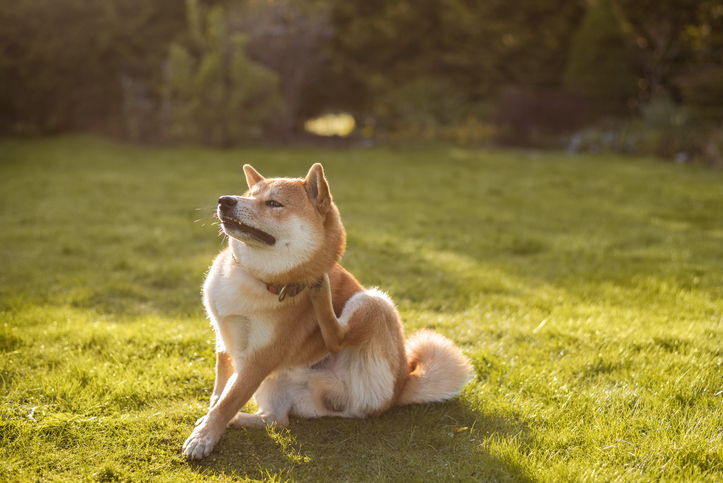
- Avoid use in puppies under six months, pregnant or nursing dogs, or breeds known to be more sensitive such as Akitas and Shiba Inus
- Do not use garlic essential oil or garlic powder, which are highly concentrated and difficult to dose safely
- Consider dog-formulated garlic supplements, which provide standardized, controlled amounts
Always consult your veterinarian before adding garlic or any new supplement, especially if your dog has an underlying condition or takes medication.
Putting Garlic in Context
Garlic should never be viewed as a cure-all. It is not a substitute for balanced nutrition, proper veterinary care, or toxin reduction. But when used responsibly, garlic for dogs does not deserve the blanket fear it often receives.
It is already included in some veterinary diets and canine supplements, reflecting a growing recognition that context and dosage matter.
A Longevity-Focused Perspective
Longevity nutrition is rarely about extremes. It’s about thoughtful choices, evidence-based decisions, and avoiding fear-driven myths.
Garlic for dogs, when used appropriately, may support immune balance and healthy aging rather than harm it. As with any supplement, start small, use intentionally, and observe your individual dog.
Sometimes the most responsible approach is not avoidance, but understanding.