Healthy Dog Treats: Why Quality Matters More Than You Think
Most dog parents spend time reading labels and scrutinizing ingredients when it comes to food. But when it comes to treats, those same standards often slip. Treats can feel small, occasional, or insignificant, yet for many dogs they’re a daily part of life.
Healthy dog treats matter because they add up. For puppies in training, senior dogs who need encouragement, or active dogs learning new skills, treats can make up a meaningful portion of daily calories. Choosing better-quality options helps ensure those calories support health rather than quietly undermining it.
A thoughtful approach to treats doesn’t mean eliminating them. It means choosing options that nourish as well as reward.
Why the Ingredients List Deserves Attention
Just like with your own snacks, the ingredients list tells the real story. Many dog treats on the market contain fillers, artificial flavors, synthetic preservatives, refined oils, and unnecessary carbohydrates. These ingredients may improve shelf life or taste, but they don’t offer much in the way of nutrition.
The first step toward healthier dog treats is simply looking at the label. Once you start reading ingredients, patterns become clear. You’ll notice which treats rely on whole foods and which rely on additives. Awareness alone makes better choices easier.
Good: A Solid Everyday Option
“Good” treats are a step above highly processed snacks and can work well for everyday use.
Healthy dog treats in this category typically include:
- A short ingredient list with recognizable whole foods
- No fillers or low-nutrition additives
- Natural preservatives such as mixed tocopherols
- No artificial colors or flavors
- No synthetic preservatives or industrial oils
These treats may still be baked or processed, but they prioritize transparency and basic nutritional integrity. They’re a reasonable choice when better options aren’t available or when variety is needed.
Better: More Nutrient-Dense Choices
“Better” treats raise the bar by focusing on simplicity and nutrient density.
Examples of better healthy dog treats include:
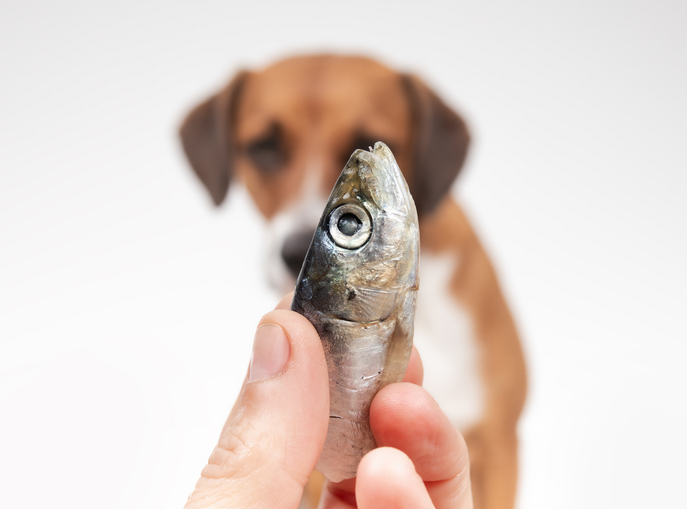
- Single-ingredient freeze-dried proteins such as chicken, beef, or fish
- Treats made with fresh produce like blueberries, carrots, or cucumbers
- Options that are lower in carbohydrates and higher in protein
- Whole-food ingredients that are easy to digest
These treats are often closer to real food and less processed. Because they’re more nutrient-dense, smaller portions can be used, which helps manage calories while still rewarding your dog.
Best: Treats That Truly Support Longevity
“Best” treats are chosen with long-term health in mind.
Healthy dog treats in this category often feature:
- Human-grade, responsibly sourced meats
- Organic or non-GMO ingredients when possible
- Minimal processing
- Sustainably sourced components
These treats are often more expensive, but they’re also used more intentionally. Because of their quality, they can be broken into small pieces or used sparingly while still delivering nutritional value.
Special Considerations for Puppies and Training Dogs
For puppies or dogs in active training phases, treat quality matters even more. These dogs may receive dozens of treats per day, which means ingredients and calorie quality have a bigger impact.
In these situations:
- Choose small, high-quality treats
- Favor protein-forward options
- Avoid sugary or starchy fillers
- Adjust meal portions if treat intake increases
Healthy dog treats during training should support growth, focus, and energy without overwhelming the body.
Treats as Part of a Bigger Picture
Treats aren’t just rewards. They’re part of your dog’s daily nutrition and enrichment.
When chosen thoughtfully, healthy dog treats can:
- Support training and mental stimulation
- Strengthen the human–dog bond
- Provide additional nutrients
- Encourage positive behaviors
When chosen carelessly, they can contribute to weight gain, inflammation, and nutrient imbalance.
A Longevity-Focused Perspective
Every small choice adds up. Upgrading your dog’s treats may seem minor, but it’s one of the simplest ways to improve overall nutrition without changing your entire routine.
Healthy dog treats made from real, nutrient-dense ingredients support vitality, digestion, and long-term wellness. Whether you’re choosing good, better, or best, intentionality matters.
Treats should be joyful, nourishing moments. When quality leads the way, you’re rewarding your dog in a way that supports health today and longevity for years to come.