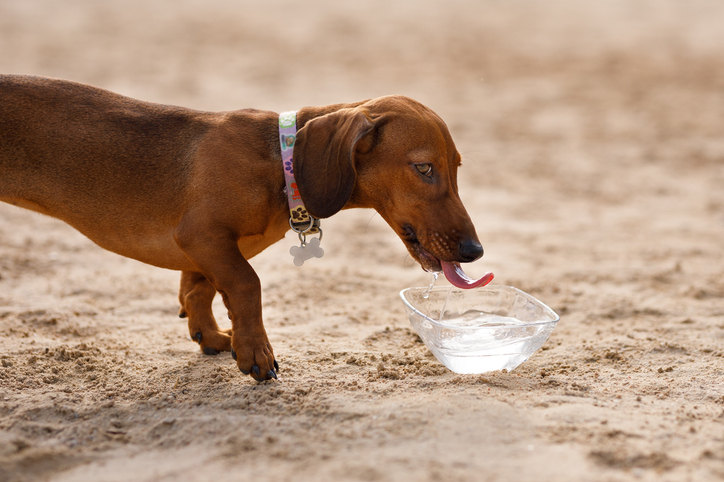
Is Your Dog’s Water Safe?
We spend a lot of time thinking about what our dogs eat, but water often gets a free pass. Most dogs drink whatever comes out of the tap, day after day, for years. That’s why it’s worth asking a simple question: is your dog’s water actually clean, or just “good enough”?
Water supports digestion, circulation, temperature regulation, kidney function, and detox pathways. When water quality is poor, it can quietly add stress to the body over time. Not in a dramatic, immediate way, but in a slow, cumulative one.
Why Water Quality Matters for Long-Term Health
Dogs typically drink more water per pound of body weight than humans do. That means trace contaminants can matter more than we think, especially with daily exposure over years.
And water quality can vary a lot based on:
- where you live
- whether you’re on municipal water or a well
- the age of local infrastructure and home plumbing
- regional agricultural and industrial runoff
Common Contaminants Found in Tap Water
This is the part most people never see. Even when water meets legal standards, it can still contain substances you may not want as a daily input for your dog’s body.
Here are some of the most common things that show up in drinking water reports and testing.
Chlorine and chloramine
Used to disinfect municipal water. These help kill pathogens in public systems, but they can also affect taste and may irritate sensitive stomachs in some dogs. Chloramine is more stable than chlorine and can be harder to remove without the right filter.
Heavy metals (lead, copper, and more)
Lead is the one most people worry about, and for good reason. It’s often linked to old plumbing, solder, or service lines. Chronic exposure is a known concern for neurological health and kidney function. Copper can also leach from pipes and may be an issue at high levels.
Nitrates and nitrites
More common in areas affected by fertilizer runoff and agricultural activity. High levels can be especially concerning for young animals, and they’re a good reason to check water quality if you’re on a well.
Pesticides and herbicides
These can enter waterways through runoff. Depending on your region, water may contain trace levels of agricultural chemicals. You might never taste them, but testing and filtration can reduce exposure.
PFAS (“forever chemicals”)
PFAS are persistent industrial chemicals that can remain in the environment and the body for a long time. They’ve been a growing concern in many U.S. water systems because they’re hard to remove without specific filtration and are linked in research to various health risks.
Pharmaceutical residues
In some areas, trace amounts of medications have been detected in water supplies. These typically exist at very low levels, but many people prefer to reduce exposure where possible.
Microplastics and other emerging contaminants
Testing is still evolving here, but microplastics have been found in water in many places. This is one of those categories where it’s hard to quantify the long-term impact, but a lot of dog owners prefer a “reduce what you can” approach.
How to Find Out What’s in Your Water
Start with information you can access quickly.
1) Read your local water quality report
Most municipalities publish an annual water report (often called a CCR, Consumer Confidence Report). It lists detected contaminants and ranges.
2) Consider a home test kit
This is a practical step if you want a baseline read. It won’t catch everything, but it can flag common issues like chlorine, hardness, and sometimes lead or nitrates depending on the kit.
3) Get professional testing (especially for wells)
If you use well water, periodic testing is a smart habit. Well water isn’t treated the same way municipal water is, and quality can change seasonally.
Filtering Your Dog’s Water: What Actually Helps
There’s no one perfect option for every household. The best filter depends on what you’re trying to reduce.
Activated carbon filters
Good for improving taste and reducing chlorine and some chemicals. Great entry-level option.
Reverse osmosis (RO)
More comprehensive. RO can reduce many contaminants, including heavy metals and PFAS (depending on the system). It’s often the best choice if your goal is broad reduction.
Specialty filters (PFAS-rated, multi-stage)
If PFAS is a concern in your area, look for systems specifically tested for PFAS reduction.
One important note: filters only work when they’re maintained. A neglected filter can stop removing contaminants and, in some cases, become its own hygiene issue.
Everyday Habits That Make a Difference
Even without changing your entire setup, a few habits can meaningfully improve your dog’s water situation.
- Replace water daily
- Wash bowls regularly (biofilm builds faster than most people think)
- Prefer stainless steel or ceramic over plastic
- Bring known clean water when traveling or hiking
And keep an eye on your dog’s thirst patterns. Big changes in drinking can be worth a vet conversation.
The Longevity Angle
Water is one of those “boring” inputs that quietly shapes the body over time. Cleaner water won’t fix everything, but it can reduce unnecessary load and support systems that matter for longevity, especially kidneys, liver, gut, and immune function.
It’s a small change with a big upside.
More Resources