Why Natural Flea Control for Dogs Became Personal for Us
Natural flea control for dogs is something we had committed to long before fleas ever showed up in our home. Like many dog parents, we build our lives around our dogs. They travel with us, sleep with us, and share our everyday routines. So when we returned from a joyful trip to the Oregon Coast and the scratching began, it immediately caught my attention.
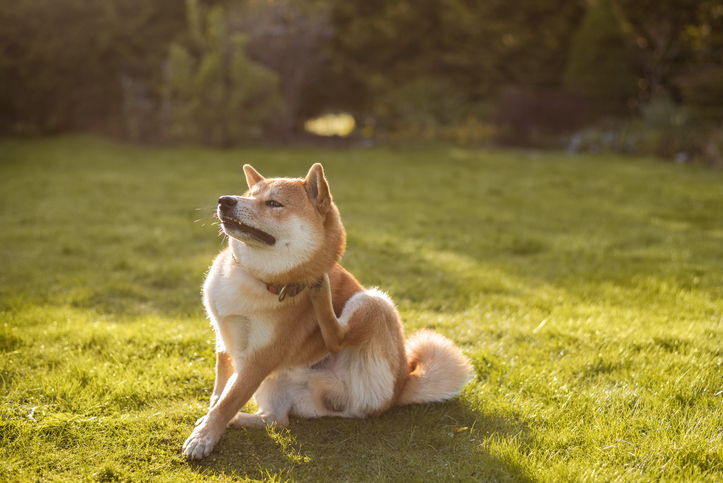
At first, I assumed it was simple irritation from sand or saltwater. A bath seemed like enough. But the scratching didn’t stop. When I checked one of our dogs more closely, I noticed a rash along his belly. Then I saw it. A single, unmistakable flea.
That moment brings panic for many dog parents, especially when you’ve chosen not to use conventional flea preventatives. For over six years, we’ve relied on natural flea control for dogs tailored to our environment and our dogs’ individual needs. That choice meant acting quickly, thoroughly, and calmly.
Why We Avoid Conventional Flea Preventatives
Many common flea preventatives contain ingredients such as fipronil or permethrin, which are classified as neurotoxins. These compounds are designed to disrupt the nervous systems of insects, but concerns have been raised about their broader impact on pets and the humans who handle them.
For our family, minimizing toxic load has always been a priority. That does not mean conventional products are never appropriate, but it does mean we prefer to start with natural flea control for dogs when possible. Every dog, household, and infestation level is different, so this approach reflects what worked for us, not a universal rule.
The First 48 Hours: How We Responded
Natural flea control for dogs requires addressing both the dog and the environment. Fleas do not live only on pets. They lay eggs in bedding, carpets, furniture, and floorboards.
The first step was washing all bedding on a hot cycle. This included dog beds, blankets, throws, and yes, our own bedding. Fleas do not respect boundaries.
Next, both dogs were bathed again. Bathing helps physically remove fleas and flea dirt, especially when followed by careful drying and inspection.
We then vacuumed the entire house twice daily for several days. Rugs, furniture, cracks along baseboards, and high-traffic areas were all included. Vacuuming is a cornerstone of natural flea control for dogs because it removes eggs before they can hatch.
The Natural Products We Used
After patch testing, we treated our dogs and their environments with Wondercide Cedar Spray. Cedarwood oil is widely recognized as a natural flea repellent and killer when used properly. It disrupts the flea’s ability to survive while remaining gentle for most dogs.
We applied the spray to dog bedding, rugs, and commonly used areas. On the dogs themselves, we used light, targeted application according to directions. One added benefit was the scent, which is far more pleasant than chemical alternatives.
Daily flea combing was another essential part of our natural flea control for dogs routine. Flea combs allow you to physically remove fleas and flea dirt while closely monitoring progress. Consistency matters here.
A surprisingly helpful trick was using a blow dryer on the cool setting. Fleas move when air passes over the coat, making them easier to spot during checks.
Why Environmental Control Matters So Much
One of the biggest mistakes with flea management is focusing only on the dog. Effective natural flea control for dogs depends on breaking the flea life cycle in the environment.
Fleas can lay dozens of eggs per day, and those eggs can survive for weeks in carpets or fabric. That is why repeated vacuuming, washing, and treatment of shared spaces is essential. Skipping this step often leads to reinfestation and frustration.
By addressing the entire environment quickly, we were able to prevent the problem from escalating.
What We Learned From the Experience
This experience reinforced that natural flea control for dogs is not passive. It requires attention, consistency, and follow-through. It also reminded me how closely skin health, immune balance, and environment are connected.
Fleas are opportunistic. Travel, wildlife exposure, and seasonal changes can all increase risk. That does not mean natural approaches fail. It means they work best when paired with awareness and early intervention.
When to Seek Veterinary Guidance
While natural flea control for dogs worked well for us, there are situations where veterinary intervention is necessary. Severe infestations, flea allergy dermatitis, anemia in small dogs, or secondary infections require professional care.
If natural methods are not resolving the issue, or if your dog shows signs of illness, discomfort, or significant skin damage, your veterinarian should be involved immediately.
A Conscious Canine Takeaway
Natural flea control for dogs is about reducing unnecessary chemical exposure while still protecting your dog’s comfort and health. When done thoroughly, it can be an effective first-line response.
For us, acting quickly, treating the environment, and using plant-based products we trust helped resolve the issue without escalating to harsher options. Every dog and household is different, but thoughtful, proactive care goes a long way.
In the pursuit of canine longevity, minimizing toxic load while staying responsive to real-world challenges is a balance worth striving for.