Outdoor Toxins for Dogs: How to Reduce Hidden Chemical Exposure
When we think about protecting our dogs from toxins, we often focus on what’s inside our homes. But just like indoors, dogs are exposed to a wide range of chemicals outdoors, many of which can quietly impact health over time.
Outdoor toxins for dogs come from the products we use to maintain lawns, sidewalks, and public spaces, as well as from the air they breathe and the surfaces they walk on. Because dogs explore the world nose-down and paw-first, they’re often exposed more directly than we realize.
The good news is that small, intentional changes can significantly reduce outdoor toxin exposure and support long-term wellbeing.
Why Outdoor Exposure Matters
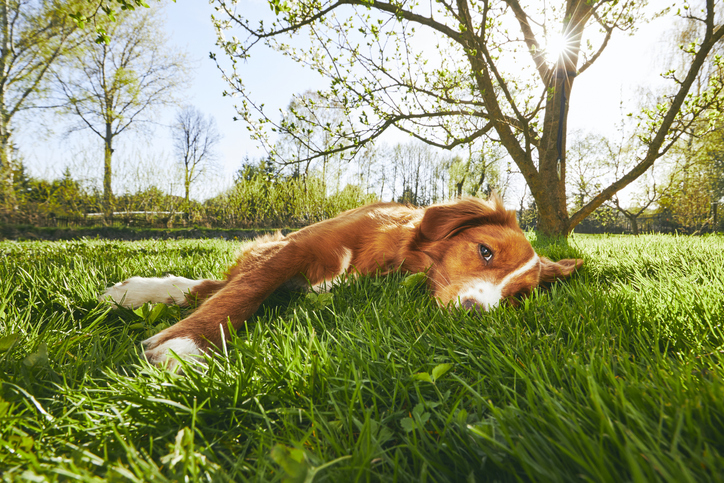
Dogs interact with outdoor environments very differently than humans. They walk barefoot on treated grass, lie on lawns, roll on sidewalks, and lick their paws when they come inside. This means chemicals applied outdoors don’t just stay outside.
Repeated exposure to outdoor toxins for dogs can add to overall toxic load, placing stress on detox pathways, immune function, and long-term organ health. While one walk across treated grass may not cause immediate symptoms, repeated low-level exposure over months or years can quietly affect wellbeing.
Fertilizers and Weed Killers
Many lawn care products are designed to create lush, weed-free grass, but they often contain chemicals that can irritate a dog’s skin, digestive system, and respiratory tract.
Dogs may be exposed by:
- Walking on freshly treated lawns
- Licking paws after contact with treated grass
- Eating grass that has been sprayed
Some common lawn chemicals have been associated with vomiting, diarrhea, skin irritation, and more serious long-term health concerns. Even when products list only “active ingredients,” other compounds may still be present.
Another overlooked issue is tracking chemicals indoors. Lawn treatments can cling to paws and fur, spreading exposure to floors, furniture, and bedding.
How to Reduce Lawn Chemical Exposure
Reducing outdoor toxins for dogs starts with thoughtful lawn care choices.
- Use organic or pet-friendly alternatives
Look for fertilizers and weed control products made from plant-based, fish-based, or mineral ingredients.
- Try natural weed management
Simple options like vinegar or baking soda can help manage weeds without introducing synthetic chemicals.
- Avoid treated areas
If you don’t control lawn treatments, steer clear of freshly treated grass when possible.
- Wipe paws after walks
Keep a towel or pet wipes near the door and clean paws after outings to reduce tracked-in chemicals.
Pesticides and Insect Control
Pesticides are commonly used outdoors to control insects, but they can pose risks to dogs through skin contact, inhalation, or ingestion.
Dogs may be exposed when they:
- Walk on sprayed surfaces
- Roll in treated grass
- Lick paws or fur after exposure
Some pesticide ingredients affect the nervous system and may cause symptoms such as drooling, lethargy, or coordination issues, especially in sensitive dogs.
Reducing Pesticide Exposure Outdoors
A more mindful approach can help limit outdoor toxins for dogs while still addressing pest concerns.
- Choose natural pest control methods
Options like diatomaceous earth, neem oil, or plant-based repellents can be effective without harsh chemicals.
- Limit application areas
Avoid spraying near areas where your dog plays, rests, or walks frequently.
- Consult your veterinarian
Before applying any pest treatment, confirm it’s appropriate for your dog’s size, health, and lifestyle.
Ice Melt and De-Icing Salts
Winter introduces another category of outdoor toxins for dogs: ice melt products.
Some ice melts contain salts and chlorides that can burn sensitive paws and cause gastrointestinal distress if ingested. Dogs are often exposed by walking on treated sidewalks and then licking their paws.
Safer Winter Strategies
- Use pet-safe ice melt
Choose products labeled as pet-safe and avoid harsh chlorides when possible.
- Consider protective boots
Boots create a physical barrier between paws and treated surfaces.
- Wipe paws after walks
Even pet-safe products can be irritating if left on the skin. A quick wipe can make a big difference.
A Longevity-Focused Perspective
Reducing outdoor toxins for dogs isn’t about eliminating all exposure. It’s about lowering unnecessary chemical burden wherever possible.
Simple habits like choosing pet-safe products, wiping paws, and being mindful of treated areas can significantly reduce cumulative exposure over time. These small actions help protect skin, digestion, immune balance, and detox pathways that play a critical role in long-term health.
By being proactive today, you’re supporting not just your dog’s comfort now, but their vitality and resilience for years to come.
More Resources