Red Light Therapy for Dogs: Separating Buzz from Evidence
Red light therapy has been getting a lot of attention lately. You may have seen viral posts or celebrity stories suggesting it played a role in extending a dog’s lifespan. While those stories are compelling, longevity science requires more than anecdotes.
The real question is whether red light therapy for dogs is supported by research and, if so, where it may genuinely help.
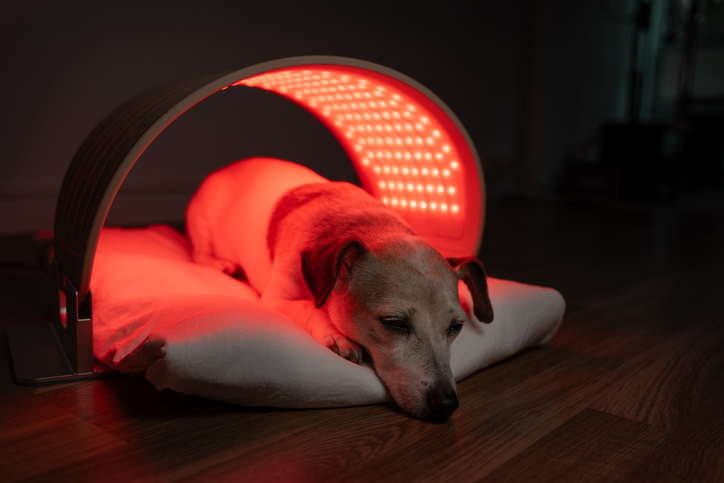
Red light therapy, also known as photobiomodulation therapy (PBMT), is a non-invasive treatment that uses specific wavelengths of light to influence cellular function. It has been studied for decades in human medicine and is now being explored more seriously in veterinary care.
The science is promising in certain areas, but it’s important to understand both the benefits and the limits.
What Is Red Light Therapy (PBMT)?
Red light therapy uses visible red and near-infrared light to penetrate tissues and interact with mitochondria, the energy centers of cells. This interaction may help increase cellular energy production, reduce oxidative stress, and modulate inflammation.
In dogs, red light therapy for dogs is typically used as part of a broader care plan, not as a standalone treatment. The effectiveness depends on factors such as wavelength, intensity, treatment duration, and consistency.
What the Research Shows So Far
Joint Pain and Osteoarthritis
One of the strongest areas of evidence for red light therapy for dogs involves joint pain.
A randomized, double-blind study evaluated dogs with elbow osteoarthritis who received PBMT over six weeks. Dogs in the treatment group showed measurable improvements in mobility and reductions in pain.
Notably, 82 percent of treated dogs reduced their use of NSAIDs, while none of the dogs in the placebo group were able to do so. This suggests PBMT may help reduce reliance on long-term pain medications when used appropriately.
Skin Health and Atopic Dogs
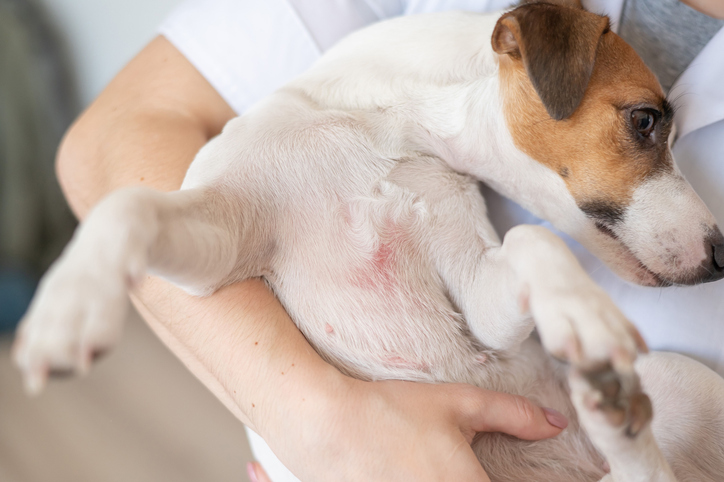
Skin conditions are another area where red light therapy for dogs has been explored.
A 2024 study involving dogs with atopic dermatitis found that PBMT did not significantly change overall skin microbiome diversity. However, it did reduce levels of Staphylococcus pseudintermedius, a common bacteria associated with skin flare-ups and secondary infections.
This suggests that while PBMT may not “reset” the skin microbiome, it could help manage specific inflammatory or bacterial contributors to chronic skin issues.
Wound Healing and Recovery
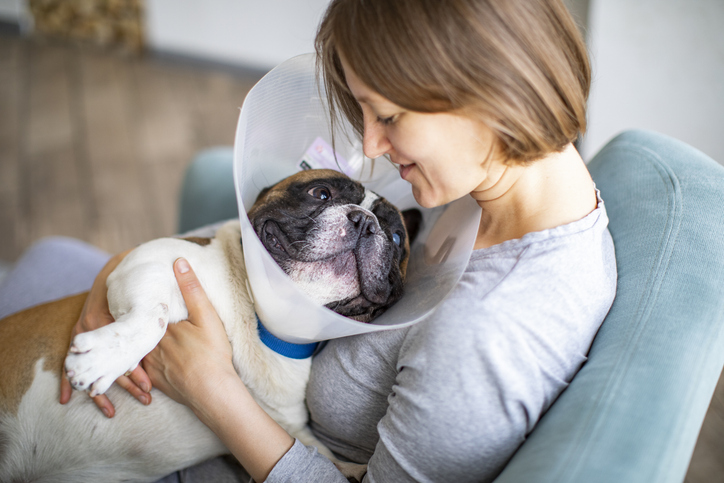
In both veterinary practice and human medicine, PBMT is commonly used to support wound healing and post-surgical recovery.
Veterinarians frequently report benefits for:
- Soft tissue injuries
- Surgical incision healing
- Muscle strains
- General recovery support
Clinical evidence in dogs remains inconsistent, largely because treatment protocols vary widely across studies. Differences in wavelength, frequency, and duration make direct comparisons difficult.
What Human Research Helps Us Understand
Human studies on PBMT show benefits for arthritis pain, wound healing, and skin quality. These findings help explain why veterinarians are interested in red light therapy for dogs, but they do not automatically translate one-to-one.
Dogs differ in anatomy, coat thickness, and metabolic response. While human research provides useful context, canine-specific studies remain essential.
What Red Light Therapy Is Not
It’s important to be clear about what PBMT cannot do.
Red light therapy for dogs is not a cure-all. It does not reverse aging, eliminate arthritis, or replace foundational care like nutrition, movement, and veterinary oversight.
Results depend heavily on:
- The condition being treated
- Correct device settings
- Treatment frequency
- Integration with other therapies
Inconsistent or improper use may lead to minimal results.
When Red Light Therapy for Dogs May Make Sense
PBMT may be worth discussing with your veterinarian if your dog:
- Has arthritis or chronic joint pain
- Struggles with recurrent skin flare-ups
- Is recovering from surgery or injury
- Cannot tolerate certain medications
It is most effective when used as part of a multimodal plan that includes appropriate nutrition, movement support, and medical care.
A Longevity-Focused Perspective
Longevity is rarely driven by a single intervention. Red light therapy for dogs may offer meaningful support for pain management, skin health, and recovery, but it works best when paired with thoughtful, evidence-based care.
As research continues to evolve, PBMT represents a promising tool rather than a miracle solution. Asking the right questions, setting realistic expectations, and working with a veterinarian experienced in its use are key.
Longevity Tip
If your dog struggles with arthritis, skin issues, or slow healing, red light therapy may be a valuable addition to their care plan. Talk with your veterinarian about whether PBMT is appropriate for your dog’s specific condition, and ensure treatments are applied consistently and correctly.
Progress in longevity often comes from small, well-chosen supports that reduce pain, improve comfort, and preserve quality of life.