The Best Dental Chews for Dogs: Supporting Oral Health the Conscious Way
Dental health is one of the most overlooked aspects of canine care. While many dog parents focus on food quality and exercise, oral health often receives attention only when problems arise. Yet your dog’s mouth plays a central role in overall health, affecting everything from digestion to immune function.
Dental chews can be a helpful tool, but not all chews are created equal. Some are highly processed and packed with fillers that may do little to support oral health. Others offer real dental benefits using minimal, whole-food ingredients.
Understanding what makes the best dental chews for dogs allows you to support oral health without compromising overall wellbeing.
Why Oral Health Matters for Longevity
Your dog’s mouth is home to bacteria, both beneficial and harmful. When plaque and tartar build up, harmful bacteria can enter the bloodstream through inflamed gums. Over time, this can place strain on organs such as the heart, kidneys, and liver.
Supporting dental health isn’t just about fresh breath. It’s about reducing chronic inflammation and protecting the systems that contribute to long-term vitality. Dental chews, when chosen thoughtfully, can play a role in that support.
What to Look for in the Best Dental Chews for Dogs
Not all chews clean teeth the same way. The best dental chews for dogs share a few key characteristics that support oral health without unnecessary ingredients.
Single-ingredient or limited-ingredient formulas
Fewer ingredients mean less processing and fewer opportunities for fillers, preservatives, or artificial additives.
Naturally abrasive texture
Chews should gently scrape plaque as your dog chews, helping reduce buildup mechanically rather than relying on chemical agents.
Easy digestibility
Dental chews should break down safely in the digestive system and not pose unnecessary gastrointestinal risk.
Nutritional value
Ideally, chews provide more than just mechanical cleaning. Protein, minerals, and beneficial fats can offer added health support.
What to Avoid in Dental Chews
Many popular dental chews rely on processing rather than nutrition. These products may look effective but often come with downsides.
Avoid chews that contain:
- Wheat, rice, or potato starch (with the exception of sweet potato) as main ingredients
- Artificial flavoring, dyes, or synthetic preservatives
- Long ingredient lists with hard-to-identify components
- High-carbohydrate fillers that can promote plaque buildup
- Low nutritional value that adds calories without benefit
Highly processed chews can actually contribute to inflammation and dental issues rather than preventing them.
Dental Chews We Like
When choosing the best dental chews for dogs, we prioritize simplicity, nutrition, and safety. Here are several options that align with those principles.
Duck necks
Duck necks offer a crunchy, protein-rich chew that naturally scrubs teeth while providing minerals that support joint and connective tissue health. Try King Lou Whole Duck Necks.
Cod skin chews
These single-ingredient chews are naturally abrasive, high in omega-3 fatty acids, and low in carbohydrates. They support both oral health and skin health. Try Polkadog Cod Skins for Dogs.
Bully sticks
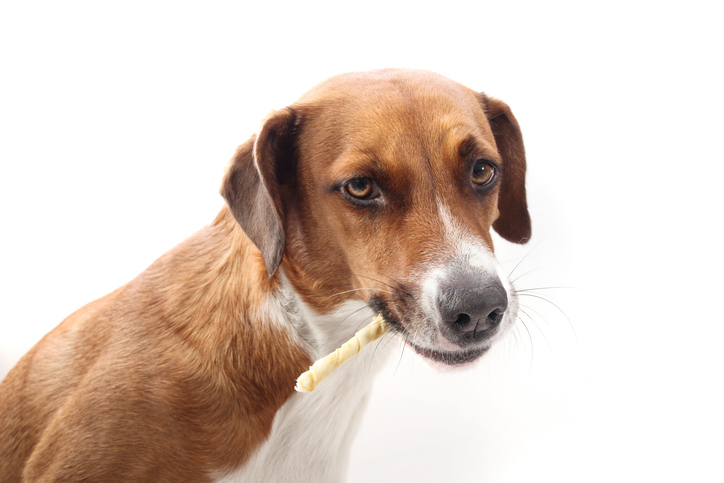
A long-time favorite, bully sticks provide excellent chewing resistance. Choose single-ingredient, fully digestible options without additives. Using a bully stick holder can help reduce choking risk. Try Natural Farm Odor-Free Bully Sticks. Also consider a bully stick holder for added safety.
Plaque-scrubbing vegetable chews
Some minimally processed chews made with ingredients like sweet potato and ground oyster shell offer gentle abrasion while keeping ingredient lists short and recognizable. Try Crumps’ Naturals Plaque Busters Original Dental Sticks.
Safety First: How to Use Dental Chews Responsibly
Even the best dental chews for dogs require supervision. Chewing always carries some risk, particularly for enthusiastic or aggressive chewers.
Keep these safety guidelines in mind:
- Always supervise your dog while chewing
- Choose chews appropriate for your dog’s size and chewing style
- Remove small pieces that could pose a choking hazard
- Monitor for digestive upset, especially with new chews
- Consult your veterinarian if you’re unsure what’s best for your dog
No chew is completely risk-free, but mindful use greatly reduces potential issues.
Don’t Forget the Power of Brushing
Dental chews can support oral health, but they don’t replace brushing. Brushing your dog’s teeth a few times per week remains the most effective way to prevent plaque and tartar buildup.
Even short, consistent brushing sessions can make a meaningful difference over time.
A Longevity-Focused Perspective
The best dental chews for dogs support more than clean teeth. They help reduce inflammation, support organ health, and contribute to overall vitality.
By choosing chews made with minimal, nourishing ingredients and pairing them with regular brushing, you create a dental routine that supports long-term health rather than masking problems.
Oral care is one of the simplest ways to support your dog’s quality of life. When approached thoughtfully, it becomes a small daily habit with lifelong benefits.