Most dog parents think carefully about food, exercise, and veterinary care. But one of the most overlooked influences on long-term health is the everyday home environment.
Toxic load in dogs refers to the cumulative exposure to synthetic chemicals and pollutants that build up in the body over time. While a single exposure may not cause immediate symptoms, repeated contact with household chemicals can quietly stress detox pathways, immune function, and respiratory health.
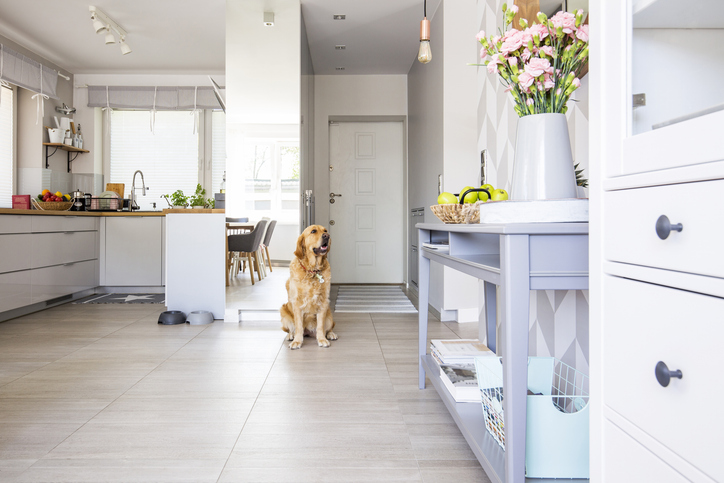
Dogs are especially vulnerable because they don’t wear shoes or clothing. They lie directly on floors, walk across freshly cleaned surfaces, breathe indoor air continuously, and groom themselves by licking their paws and fur. This means the products we use inside our homes matter more than we often realize.
The encouraging news is that meaningful change doesn’t require a full lifestyle overhaul. Two focused shifts can significantly reduce your dog’s everyday chemical exposure.
Why the Home Environment Matters So Much
Picture your dog’s daily routine. They nap on blankets washed in scented detergent. They stretch out on rugs and carpets cleaned with chemical sprays. They breathe in the same air freshened by plug-ins, candles, or sprays.
Unlike humans, dogs spend more time close to the ground, where chemical residues settle. They also have highly sensitive respiratory and olfactory systems, which means strong scents and airborne chemicals can be especially irritating or overwhelming.
Over time, these exposures contribute to toxic load in dogs, increasing the burden on the liver, kidneys, immune system, and nervous system. While symptoms may be subtle at first, reducing unnecessary exposure supports resilience and long-term wellbeing.
Step One: Avoid Synthetic Fragrance in the Home
Synthetic fragrance is one of the most common and underestimated contributors to indoor chemical exposure.
Fragrance is often added to:
- Laundry detergents
- Candles
- Air fresheners and plug-ins
- Cleaning sprays
- Fabric softeners
The challenge is that “fragrance” is considered a protected trade secret. This means manufacturers are not required to disclose the full list of chemicals used. A single fragrance blend can contain dozens of compounds, some of which contribute to poor indoor air quality and irritation.
Dogs, with their heightened sense of smell, may be especially sensitive. Prolonged exposure can contribute to respiratory discomfort, headaches, skin irritation, and general stress.
To reduce toxic load in dogs, look for products labeled fragrance-free or clearly scented with simple, natural ingredients. When possible, avoid plug-in air fresheners and heavily scented candles, and opt for naturally scented or unscented alternatives.
Step Two: Choose Less Harsh Cleaning Agents
Cleaning products leave residues behind, especially on floors, rugs, furniture, and fabrics. Because dogs spend so much time in contact with these surfaces, harsh cleaning agents can directly affect their skin and airways.
Common ingredients to be mindful of include:
- Ammonia
- Chlorine bleach
- Phenols
- Strong disinfectants with lingering fumes
These chemicals can irritate skin, paws, and respiratory systems, particularly for dogs with allergies, sensitivities, or compromised immune systems.
Choosing gentler, plant-based or naturally derived cleaning products can significantly reduce toxic load in dogs while still keeping your home clean. Many simple formulas are just as effective and often more budget-friendly than conventional options.
Some pet parents even choose to make their own cleaners using basic ingredients, allowing full transparency and control over what’s used in the home.
Small Shifts, Big Impact
Reducing toxic load in dogs doesn’t require perfection. It’s about lowering unnecessary exposure wherever possible.
Start with one room. Switch one product at a time. Open windows when weather allows to improve ventilation. Wash dog bedding with fragrance-free detergent. Mop floors with gentler solutions.
Over time, these small changes add up, creating a cleaner, calmer environment that supports both canine and human health.
A Longevity-Focused Perspective
The home is where dogs spend most of their lives. When you reduce chemical exposure indoors, you give your dog’s body more capacity to focus on healing, immunity, and resilience instead of constant detoxification.
By avoiding synthetic fragrance and choosing less harsh cleaning agents, you’re directly supporting lower toxic load in dogs. These mindful choices help create a healthier environment that supports longevity, comfort, and vitality for every member of the household.
Sometimes, the most powerful health interventions begin right at home.
More Resources