Yeast Probiotic for Dogs: What New Research Is Really Telling Us
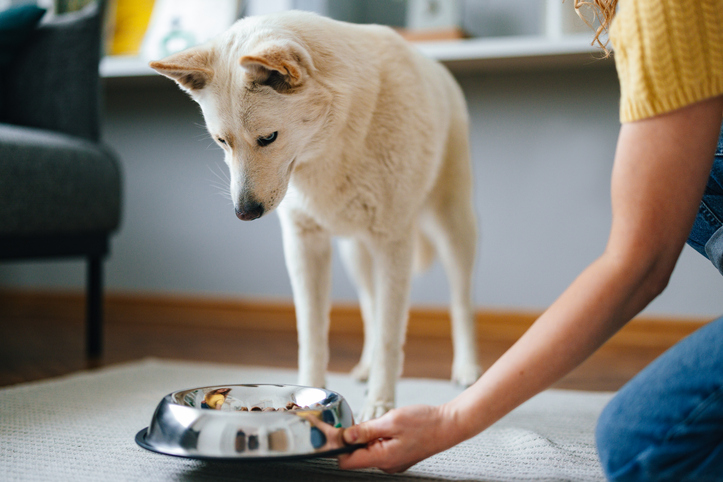
Diet changes are one of the most common triggers for digestive upset in dogs. Loose stools, gas, and discomfort often appear when food is switched too quickly, even when the new diet is high quality.
A new 2025 study is shedding light on a promising tool that may help dogs adjust more smoothly: a yeast probiotic for dogs. While yeast has long been used in animal nutrition, this research takes a closer look at a specific live probiotic strain and how it supports gut stability during rapid dietary transitions.
Why Diet Transitions Are Hard on the Canine Gut
A dog’s gut microbiome is a complex ecosystem that adapts slowly to change. When food is switched abruptly, the balance of gut bacteria can be disrupted, leading to digestive symptoms and temporary immune stress.
Supporting the gut during transitions is especially important for:
- Dogs moving from kibble to fresh or gently cooked food
- Dogs switching brands or protein sources
- Rescue dogs with unknown feeding histories
- Dogs with sensitive digestion or prior gut imbalance
This is where targeted probiotics, including yeast-based options, may play a supportive role.
Nutritional Yeast vs. Probiotic Yeast: Not the Same Thing
There has been growing online interest in using nutritional yeast to support digestion. While well-intentioned, this approach often overlooks an important distinction.
Although both come from the same species, nutritional yeast and yeast probiotics are not interchangeable.
Nutritional yeast
- Inactive
- Rich in B vitamins
- Does not provide probiotic effects
Probiotic yeast
- Live and biologically active
- Designed to support gut balance
- Can influence digestion and immune signaling
The study discussed here focused on a specific live yeast probiotic for dogs, not nutritional yeast.
The Yeast Probiotic Studied
Researchers examined Saccharomyces cerevisiae CNCM I-3856, a live yeast strain commercially known as Actisaf® Sc 50. This strain has been studied in other animals, but this research specifically evaluated its role in canine gut health during abrupt diet changes.
What the 2025 Study Found
In a peer-reviewed study published in Frontiers in Microbiology, researchers investigated how a yeast probiotic for dogs affected gut health during rapid dietary transition.
Dogs receiving the probiotic showed several notable benefits compared to the control group.
Key findings included:
- More stable digestion
The gut microbiome remained more balanced, with fewer disruptions after the diet change.
- Improved immune markers
Dogs receiving the yeast probiotic had higher levels of fecal IgA, an antibody that plays a key role in gut immunity.
- Faster metabolic adaptation
Beneficial metabolic changes occurred within 48 hours in the probiotic group, compared to roughly two weeks in dogs that did not receive the yeast.
Perhaps most interesting, the dosage was small. The yeast probiotic made up just 0.1 percent of the dog’s food, highlighting how targeted supplementation can have meaningful effects without large additions.
Why This Matters for Dog Parents
Food transitions are unavoidable over a dog’s lifetime. Whether switching formulas, upgrading diet quality, or responding to health needs, the gut must constantly adapt.
This research suggests that a yeast probiotic for dogs may:
- Help smooth digestion during transitions
- Support immune resilience in the gut
- Reduce the length and severity of adjustment periods
For dogs with sensitive stomachs or a history of digestive upset, this could be a valuable tool when changes are necessary.
Important Context and Caution
This is emerging science. While the findings are promising, they represent one controlled study on a specific yeast strain, not a blanket endorsement of all yeast products.
It’s also important to remember:
- Results may vary by individual dog
- Not all probiotics are the same
- Strain specificity matters
At Conscious Canine, we share research like this with transparency and care. This yeast probiotic appears to be a potential addition to the natural wellness toolbox, not a replacement for thoughtful feeding practices or gradual transitions when possible.
Should You Consider a Yeast Probiotic for Your Dog
A yeast probiotic for dogs may be worth discussing with your veterinarian if your dog is:
- Transitioning foods
- Prone to digestive upset
- Moving from kibble to fresh food
- Recovering from gut imbalance
Always consult your vet before introducing a new supplement, especially if your dog has health conditions or takes medication.
Longevity-Focused Takeaway
Supporting gut health during moments of change can have lasting benefits. Research like this highlights how targeted, strain-specific probiotics may help dogs maintain digestive and immune balance during dietary transitions.
While more studies will continue to shape our understanding, this yeast probiotic for dogs offers an encouraging example of how small, precise interventions can support resilience over time.
Study Source
Xu J, Wen C, Song G, et al.
Effect of yeast probiotic Saccharomyces cerevisiae on the gut health of dogs undergoing rapid dietary transition.
Front Microbiol. 2025.
PubMed ID: 40444008