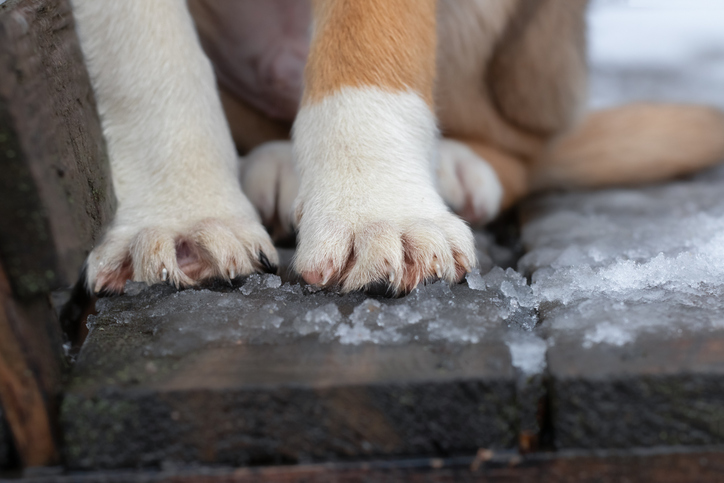
Long Dog Nails Are More Than a Cosmetic Issue
Many dog parents believe that nail care is mostly about appearance or noise. If nails aren’t curling or snagging, they must be fine. Right?
The truth is that long dog nails can cause pain well before they look problematic. Even nails that are only slightly overgrown can push back into the nail bed, alter posture, and quietly strain your dog’s joints and muscles.
Because these changes happen gradually, dogs often compensate without obvious signs. By the time discomfort becomes visible, the body may already be under stress.
How Long Dog Nails Cause Pain
Every step your dog takes applies pressure through their paws. When nails are too long, they interfere with how the paw naturally contacts the ground.
Long dog nails can:
- Press upward into the sensitive nail bed with each step
- Shift weight away from the toes and onto joints
- Change how the dog stands, walks, and balances
Over time, this constant pressure can lead to chronic discomfort that many dogs quietly tolerate rather than express.
The Hidden Risks of Long Dog Nails
While clicking on floors is the most noticeable sign, it’s far from the most important.
Chronic pain
Long dog nails push back into the nail bed, creating ongoing low-grade pain that can affect mood, energy, and willingness to move.
Posture and joint stress
To avoid pressure on painful nails, dogs adjust their stance. This altered posture can strain wrists, elbows, shoulders, hips, and the spine, potentially worsening arthritis or mobility issues.
Injuries and infections
Overgrown nails are more likely to snag, tear, or split. In severe cases, nails can curl into the paw pad, creating open wounds that invite infection.
Slipping and falls
Long dog nails reduce proper paw pad contact with the ground. On slick floors, this increases the risk of slipping injuries, especially for senior dogs.
Whole-body stress over time
Emerging discussion from functional grooming and mobility specialists suggests that chronic nail discomfort may also contribute to nervous system stress, which can influence immune resilience over time.
Understanding Nail Anatomy and Why Timing Matters
Each dog nail contains a quick, a living structure made up of blood vessels and nerves. As nails grow longer, the quick grows with them.
This is why trimming too infrequently makes nail care harder. When nails are long, even a small trim risks hitting the quick, causing pain and bleeding. That experience can create fear around future nail trims.
With consistent trimming, the quick gradually recedes. This allows nails to stay comfortably short without discomfort.
Regular maintenance is the key to breaking this cycle.
Signs Your Dog’s Nails Are Too Long
Some signs of long dog nails are subtle. Watch for:
- Clicking sounds on hard floors
- Slipping on tile or hardwood
- Licking or chewing at paws
- Nails starting to curve downward
- Hesitation to walk or jump
These signals often appear before obvious injury or limping.
How Often Should Dog Nails Be Trimmed?
For most dogs, nails should be trimmed every 3–4 weeks. Some dogs with fast nail growth may need more frequent trims, while highly active dogs who walk on abrasive surfaces may wear nails down slightly.
The goal is simple: nails should not touch the ground when your dog is standing naturally.
Low-Stress Nail Trimming Tips at Home
Nail trimming can be challenging, but small adjustments make a big difference.
- Use sharp, high-quality clippers or a grinder
- Trim a little at a time rather than aiming for one big cut
- On light nails, stop before the pink quick
- On dark nails, watch for the small gray dot at the center
- Reward frequently with treats and calm praise
For dogs who are fearful, start by gently handling paws without trimming. Pair touch with rewards and build up slowly.
When to Ask for Help
Not every dog is comfortable with at-home trims, and that’s okay.
If your dog becomes stressed, aggressive, or fearful, it’s best to have nails trimmed by a veterinarian or professional groomer. Safe handling matters more than who does the trimming.
A Longevity-Focused Perspective
Long dog nails may seem like a small detail, but they have a disproportionate impact on comfort, mobility, and long-term health.
Regular, mindful nail care protects joints, prevents chronic pain, and supports natural movement patterns. For senior dogs especially, this simple habit can help preserve independence and confidence.
Awareness is the first step. Consistency is the second. Together, they help your dog move through life with greater ease.