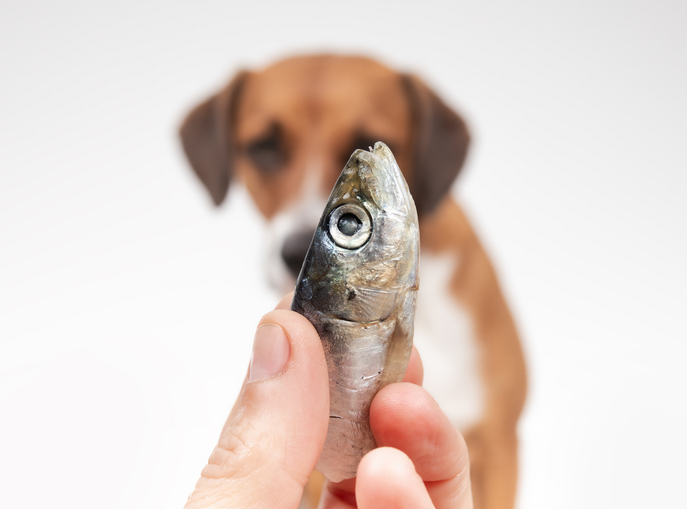
Sardines for Dogs: Why This Small Fish Deserves a Place in Your Pantry
When it comes to improving your dog’s diet, the most powerful upgrades are often the simplest ones.
Sardines may not look impressive at first glance, but these small fish are one of the most nutrient-dense whole foods you can add to your dog’s bowl. Affordable, widely available, and easy to serve, sardines for dogs offer an impressive combination of omega-3 fatty acids, essential vitamins, and minerals that support long-term health.
They are especially valuable for dogs dealing with inflammation, aging joints, dull coats, or cognitive changes. Even for healthy dogs, sardines can be a smart preventative addition when used thoughtfully and in moderation.
Why Sardines for Dogs Are Nutritional Standouts
Sardines are packed with nutrients that are often lacking in kibble-based diets. Their benefits go far beyond shiny coats.
Omega-3 fatty acids (EPA and DHA)
Sardines are naturally rich in EPA and DHA, the most biologically active forms of omega-3s. These fats play a key role in reducing inflammation throughout the body.
In dogs, omega-3s may support:
- Joint comfort and mobility
- Heart and cardiovascular health
- Cognitive function and learning
- Skin barrier integrity and coat quality
DHA, in particular, is associated with brain health and long-term cognitive support, making sardines for dogs especially helpful as they age.
Micronutrient density
Canned, bone-in sardines provide a rare combination of nutrients in one food:
- Calcium from the soft, edible bones to support skeletal strength
- Vitamin D to aid immune function and calcium absorption
- Vitamin B12 to support energy metabolism and nervous system health
These nutrients work together, which is one reason whole foods like sardines can be so effective.
Low mercury and toxin risk
Because sardines are small and short-lived, they accumulate far fewer toxins than larger fish. They are consistently listed on the FDA and EPA’s “Best Choices” seafood list.
This makes sardines for dogs one of the safest seafood options available when sourced and prepared correctly.
What to Look for When Buying Sardines
Not all sardines are created equal. A few label details matter.
Choose sardines that are:
- Packed in water, not oil
- No salt added
- Bone-in, if possible, for natural calcium
- Labeled BPA-free cans when available
- Sustainably sourced, such as MSC-certified
Avoid sardines that are:
- Packed in brine or heavily salted
- Flavored, smoked, or seasoned
- Mixed with onion, garlic, chili, or sauces
Plain, simple sardines are best. When it comes to sardines for dogs, fewer ingredients always win.
How Sardines Support Specific Areas of Health
Joint health
Chronic inflammation is a major contributor to joint pain and stiffness. The omega-3s in sardines may help modulate inflammatory pathways, supporting mobility and comfort over time.
Heart health
Omega-3 fatty acids are linked to improved cardiovascular function, healthy circulation, and balanced cholesterol levels. Sardines for dogs can support heart health as part of a broader nutrition plan.
Skin and coat
Dry, flaky skin and dull coats are often signs of fatty acid imbalance. Sardines provide readily absorbed fats that help strengthen the skin barrier and promote a glossy coat.
Brain and cognitive support
DHA supports learning, memory, and long-term brain health. This is especially relevant for senior dogs or dogs showing early cognitive changes.
How to Serve Sardines for Dogs Safely
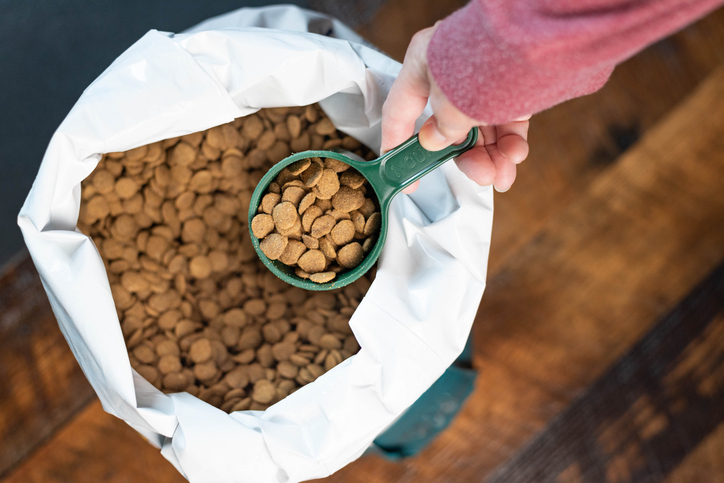
Sardines are best used as a topper or high-value treat, not a meal replacement. Start slowly and observe how your dog responds.
Suggested portions (1–2 times per week):
- 10 lb dog: about 0.5 oz
- 25 lb dog: about 1 oz
- 60 lb dog: about 1.5 oz
You can mash sardines into food, mix them with vegetables, or offer them plain as a special treat.
Always adjust portions based on your dog’s total calorie intake and activity level.
When to Use Caution
While sardines for dogs are generally safe, extra care is needed if your dog has:
- Kidney disease
- Pancreatitis
- A sodium-restricted diet
- A history of fat-sensitive digestion
In these cases, consult your veterinarian before adding sardines or any new topper.
Sardines as Part of a Longevity-Focused Diet
Longevity nutrition is about consistency, variety, and nutrient density. Sardines fit beautifully into a rotation of whole-food toppers that may include eggs, lightly steamed vegetables, bone broth, or fermented foods.
Used regularly but sparingly, sardines for dogs can help lower inflammatory load, support healthy aging, and keep meals engaging.
Longevity Tip
Adding sardines as an occasional topper or high-value treat is a simple, whole-food way to support your dog’s joints, heart, brain, and skin. Over time, the omega-3s and micronutrients found in sardines for dogs may help reduce inflammation and promote resilience, vitality, and a glossy coat well into the senior years.
More Resources